 Posted by
 Introduction
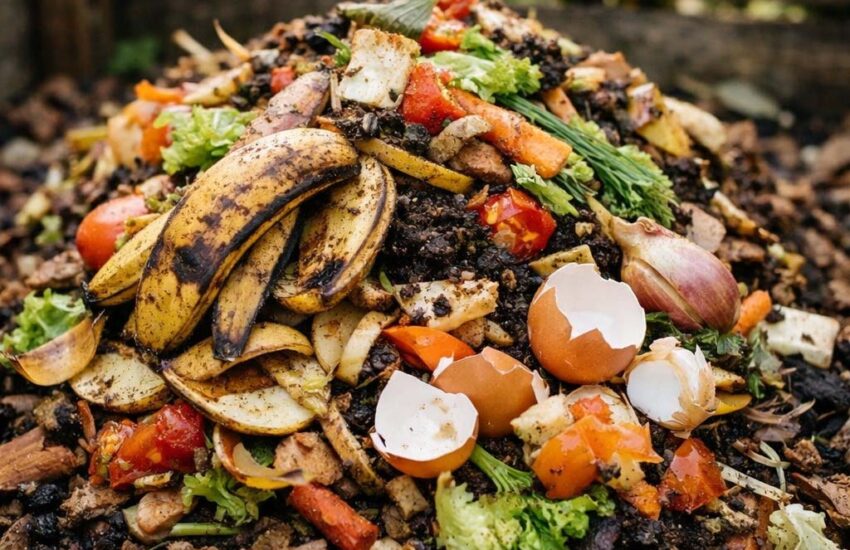
Every day, most households throw away large amounts of kitchen waste. Banana peels, vegetable scraps, eggshells, coffee grounds, and leftover food often end up in trash bins without a second thought.
But what many people do not realize is that this everyday kitchen waste can become one of the most powerful natural fertilizers for plants.
Gardeners around the world are increasingly using organic fertilizer from kitchen waste as a sustainable way to nourish plants while reducing household waste.
Instead of relying on chemical fertilizers, homemade compost made from food scraps can provide essential nutrients such as nitrogen, potassium, calcium, and phosphorus.
These nutrients are essential for healthy plant growth, stronger roots, and improved soil quality.
Using kitchen waste compost fertilizer also has environmental benefits. It helps reduce landfill waste, lowers methane emissions from decomposing food, and promotes sustainable gardening practices.
Even if you live in an apartment or have only a small balcony garden, you can still create homemade organic fertilizer for plants using simple methods.
In this guide, you will learn 7 easy ways to make organic fertilizer at home using kitchen waste, helping you turn everyday food scraps into powerful plant nutrition.
Quick Summary Table
| Method | Main Ingredient | Best For | Difficulty |
|---|---|---|---|
| Compost fertilizer | Mixed food scraps | Vegetable gardens | Easy |
| Banana peel fertilizer | Banana peels | Flowering plants | Easy |
| Eggshell fertilizer | Eggshell powder | Calcium for plants | Easy |
| Coffee ground fertilizer | Coffee waste | Soil nutrients | Easy |
| Liquid compost tea | Compost water | Indoor plants | Medium |
| Vegetable scrap compost | Vegetable waste | Garden soil | Easy |
| Bokashi fermentation | Mixed food waste | Fast composting | Medium |
Easy Ways to Make Organic Fertilizer from Kitchen Waste
1. Compost Fertilizer from Kitchen Scraps
One of the most effective ways to create organic fertilizer from kitchen waste is through composting.
Composting is a natural process where microorganisms break down organic materials such as vegetable scraps, fruit peels, and plant waste into nutrient rich soil.
When kitchen waste decomposes properly, it becomes dark crumbly compost that improves soil fertility.
This compost contains important nutrients including:
- nitrogen for leaf growth
- phosphorus for root development
- potassium for stronger plants
To start composting kitchen scraps, collect biodegradable waste such as fruit peels, vegetable leftovers, eggshells, and coffee grounds.
These materials should be placed in a compost bin or pile along with dry materials like leaves or shredded paper. This mixture helps balance moisture and oxygen levels.
Over time, microorganisms break down the materials and convert them into natural fertilizer for plants.
Gardeners often consider compost to be the best DIY organic fertilizer for plants because it improves soil structure and encourages beneficial microbes.

Kitchen Waste Compost Fertilizer
2. Banana Peel Fertilizer
Banana peels are one of the most powerful natural fertilizers available in the kitchen.
They are rich in potassium, phosphorus, and calcium, which are essential nutrients for plant growth.
Potassium plays an important role in plant health. It helps plants develop stronger stems, improved disease resistance, and better flowering.
This is why banana peel fertilizer for plants is often recommended for flowering plants such as roses, tomatoes, and peppers.
There are several ways to use banana peels as fertilizer.
One common method is to chop the peels into small pieces and bury them directly in the soil near plant roots.
As the peels decompose, they slowly release nutrients into the soil.
Another method involves soaking banana peels in water for a few days to create homemade liquid fertilizer for plants.
This nutrient rich water can then be poured onto plant soil.

Banana Peel Fertilizer for Plants
3. Eggshell Fertilizer
Eggshells are an excellent source of calcium, which helps strengthen plant cell walls.
Calcium deficiency in plants often causes problems such as blossom end rot in tomatoes or weak plant growth.
Using eggshell fertilizer is an easy way to supply calcium naturally.
To prepare eggshell fertilizer, rinse the shells and allow them to dry completely.
Once dry, crush them into a fine powder using a blender or mortar.
This powder can then be mixed directly into garden soil.
As the eggshells break down, they release calcium gradually, helping improve soil quality and plant health.
Eggshell fertilizer is particularly beneficial for vegetable gardens because calcium supports root development and fruit production.

Eggshell Organic Fertilizer
4. Coffee Ground Fertilizer
Coffee grounds are another valuable ingredient for making homemade organic fertilizer.
Used coffee grounds contain nitrogen, which is one of the most important nutrients for leafy plant growth.
Many gardeners add coffee grounds directly to compost piles or mix them into garden soil.
Coffee grounds also help improve soil structure by increasing organic matter.
This improves soil drainage while allowing roots to absorb nutrients more effectively.
Plants that benefit from coffee ground fertilizer include:
- tomatoes
- spinach
- roses
- lettuce
However, coffee grounds should be used in moderation to avoid excessive acidity in soil.

Coffee Ground Fertilizer for Plants
Product Recommendations
1. EPICA Stainless Steel Kitchen Compost Bin
Why it works
One of the easiest ways to start making organic fertilizer from kitchen waste is by collecting food scraps in a dedicated compost bin.
A stainless steel compost bin allows you to store vegetable peels, fruit scraps, and other biodegradable waste in the kitchen without unpleasant odors.
Key Features
- charcoal filter reduces smell
- stainless steel rust resistant design
- compact countertop size
- easy to clean and maintain
Best For
- collecting kitchen scraps for compost
- small apartments and indoor kitchens
- beginner composting setups
2. Premium Bokashi Composting Starter Kit
Why it works
The Bokashi composting system uses microbial fermentation to break down food scraps quickly.
Unlike traditional composting, Bokashi systems can process food waste much faster while producing nutrient rich fertilizer.
Key Features
- fermentation based compost system
- faster compost production
- minimal odor during composting
- ideal for indoor composting
Best For
- apartment composting
- kitchen waste recycling
- sustainable home gardening
More Ways to Make Organic Fertilizer from Kitchen Waste
5. Make Liquid Compost Tea Fertilizer
Liquid compost tea is one of the most powerful homemade liquid fertilizers for plants made from kitchen waste.
This method extracts nutrients from compost or food scraps and turns them into a nutrient rich liquid fertilizer that plants can absorb quickly.
Many gardeners prefer liquid fertilizers because nutrients dissolve in water and reach plant roots faster than solid fertilizers.
To make compost tea, place a small amount of finished compost or decomposed kitchen waste into a bucket of water.
Allow the mixture to soak for 24 to 48 hours while occasionally stirring the liquid. During this process, beneficial microbes and nutrients dissolve into the water.
After soaking, strain the liquid and use it to water plants.
This natural fertilizer works particularly well for:
- vegetable gardens
- balcony plants
- indoor houseplants
Compost tea is considered one of the best DIY plant food from kitchen waste because it improves soil health while boosting plant growth.

Liquid Compost Tea Fertilizer
6. Vegetable Scrap Compost Fertilizer
Vegetable scraps are one of the most common types of kitchen waste compost fertilizer.
Instead of throwing away vegetable peels, stems, and leftovers, these materials can be turned into nutrient rich compost.
Vegetable scraps such as carrot peels, potato skins, cabbage leaves, and onion skins contain valuable nutrients that improve soil fertility.
When these scraps decompose naturally, they release nutrients that help plants grow stronger.
Vegetable compost is especially beneficial for:
- vegetable gardens
- flower beds
- balcony container gardens
Gardeners often combine vegetable scraps with dry materials such as leaves or cardboard to maintain a healthy compost balance.
This method is a simple way to create organic fertilizer for home gardening while reducing household waste.

Vegetable Scrap Compost Fertilizer
7. Bokashi Fermentation Fertilizer
Bokashi composting is a unique method that converts food waste into fertilizer through fermentation rather than decomposition.
In this process, food scraps are placed in a sealed container with Bokashi bran, which contains beneficial microorganisms.
These microbes ferment the waste and break it down into nutrient rich organic material.
The Bokashi process usually takes around two weeks, making it faster than traditional composting.
Once fermentation is complete, the material can be buried in garden soil where it continues breaking down and enriching the soil.
This technique is particularly useful for kitchen waste composting methods in apartments where outdoor compost piles are not possible.

Bokashi Kitchen Composting System
Designer Tips for Using Kitchen Waste as Fertilizer
| Tip | Why It Works |
|---|---|
| Use balanced compost materials | Maintains healthy decomposition |
| Chop food scraps into small pieces | Speeds up compost breakdown |
| Avoid oily food waste | Prevents unpleasant odor |
| Mix dry and wet compost materials | Improves compost quality |
| Turn compost regularly | Improves oxygen circulation |
Frequently Asked Questions
How can I make organic fertilizer from kitchen waste at home?
You can compost vegetable scraps, banana peels, coffee grounds, and eggshells to create natural fertilizer.
What kitchen waste can be used as fertilizer for plants?
Common materials include fruit peels, vegetable scraps, coffee grounds, eggshells, and tea leaves.
Is kitchen waste fertilizer good for vegetable plants?
Yes. Organic fertilizer made from kitchen waste provides natural nutrients that improve plant growth and soil health.
How long does it take to make compost from kitchen scraps?
Traditional composting usually takes between four and eight weeks depending on conditions.
What are the benefits of using kitchen waste as fertilizer?
Kitchen waste compost improves soil nutrients, reduces household waste, and promotes sustainable gardening.
Can banana peels be used as organic fertilizer?
Yes. Banana peels contain potassium and phosphorus which help plants grow stronger and produce flowers.
How do you make liquid fertilizer from kitchen waste?
You can soak compost or banana peels in water to create nutrient rich liquid fertilizer.
Is compost from kitchen waste better than chemical fertilizer?
Organic compost improves long term soil health while chemical fertilizers only provide temporary nutrients.
Can I use coffee grounds and tea leaves as fertilizer?
Yes. Coffee grounds provide nitrogen while tea leaves add organic matter to the soil.
What kitchen scraps should not be used for compost fertilizer?
Avoid meat, dairy, and oily food scraps because they attract pests and slow composting.
Conclusion
Making organic fertilizer from kitchen waste is one of the simplest ways to practice sustainable gardening.
Instead of throwing away food scraps, you can transform them into nutrient rich compost that improves soil health and plant growth.
From banana peel fertilizer to compost tea and Bokashi fermentation, these methods help recycle waste while supporting healthy plants.
Even small steps such as collecting kitchen scraps or composting vegetable peels can make a big difference for your garden and the environment.