
 Posted by
 Introduction – Summer Heat Is Tough, But Your Plants Can Win
Let’s be honest. Summer heat can be tough on plants. Leaves start drooping, soil dries out faster than expected, and it’s hard to tell whether your plants need more water or less.
That’s where understanding watering plants in summer really makes a difference. It’s not just about giving more water, it’s about giving the right amount at the right time to keep plants healthy without damaging the roots.
Updated on May 2, 2026: This guide has been improved with smarter watering techniques, better summer plant care strategies, and practical ways to reduce water loss in hot weather.
During hot weather, water evaporates quickly and soil can dry out within hours. At the same time, overwatering can lead to weak roots and plant stress. Finding the right balance is what keeps your garden stable through the season.
If you are just getting started, you can also explore easy gardening tips to build a strong foundation before adjusting your watering routine.
In this guide, you’ll learn when to water, how often to water, how deeply to water, what changes for pots and garden beds, and simple ways to protect your plants during extreme heat.

Early Morning Sprinkler Watering in a Vegetable Garden
Why Summer Watering Is Different and More Important
Watering in summer feels very different compared to spring, and there’s a reason for that. In cooler months, soil holds moisture longer and plants don’t lose water as quickly. But once the temperature rises, everything speeds up.
Soil starts drying faster, water evaporates quickly, and plants grow more actively, which means they need more consistent moisture. At the same time, heat puts extra stress on roots, making them more sensitive to both dryness and overwatering.
That’s why watering plants in summer is not just about increasing the amount of water. It’s about adjusting your approach so plants stay balanced even in hot conditions.
If you want to support faster and healthier growth during this season, you can also explore beginner garden secrets to improve overall plant performance.
Best Time to Water Plants in Summer
Timing plays a bigger role than most people think. Watering at the right time helps your plants absorb moisture properly instead of losing it to heat.
Early morning is usually the best option. Between around 5 AM and 9 AM, the soil is still cool, which allows water to reach the roots before the sun gets too strong. Plants stay hydrated longer, and leaves have time to dry naturally, which helps prevent disease.
Evening watering can still work, especially during extreme heat, but it needs a bit more care. The main thing to avoid is leaving leaves wet overnight, since warm and damp conditions can lead to fungal problems. Keeping water directed at the soil instead of the leaves solves most of that risk.
Midday watering, on the other hand, is generally not effective. The heat causes water to evaporate too quickly, and plants don’t get the full benefit. It’s only useful in rare situations when plants are visibly stressed and need immediate help.
How Often Should You Water Plants in Summer?
There’s no single answer here because different plants have different needs. Instead of guessing, it’s better to follow a simple pattern based on plant type and growth stage.
Watering Frequency Guide
| Plant Type | Summer Watering Frequency |
|---|---|
| Vegetables (tomatoes, peppers) | Every 1–2 days |
| Flower beds | 2–3 times per week |
| Lawn | 1–2 deep waterings per week |
| Potted plants | Daily or twice daily |
| Herbs | Every 2–3 days |
| Succulents | Once every 7–10 days |
The key here is not just how often you water, but how well you water. Deep watering is always better than light surface watering because it encourages roots to grow deeper and become more heat-resistant.
If you also want to improve how your soil holds moisture, you can check organic fertilizer at home for natural ways to strengthen your soil structure.
How Deep Should You Water?
A common mistake is watering only the top layer of soil. While it may look wet on the surface, roots often sit much deeper, and shallow watering doesn’t reach them.
For most plants, the goal is to let water move down into the root zone. Flowers usually need moisture around a few inches deep, while vegetables and shrubs require deeper soaking so roots can stay stable even during hot days.
Deeper watering helps plants handle heat stress much better and reduces the need for frequent watering.
Simple Soil Check You Can Do Anytime
You don’t need any tools to know when your plants need water. A quick check with your finger is enough.
If the soil feels dry a couple of inches below the surface, it’s time to water. If it still feels moist, you can wait. This small habit prevents both underwatering and overwatering without making things complicated.
Small Tip That Makes a Big Difference
Watering alone is not always enough during peak summer. Supporting your plants naturally can make your entire garden more stable.
For example, pairing the right plants together can reduce stress and pest problems. If you want to try that, you can explore companion planting combos to keep your garden healthier without extra effort.
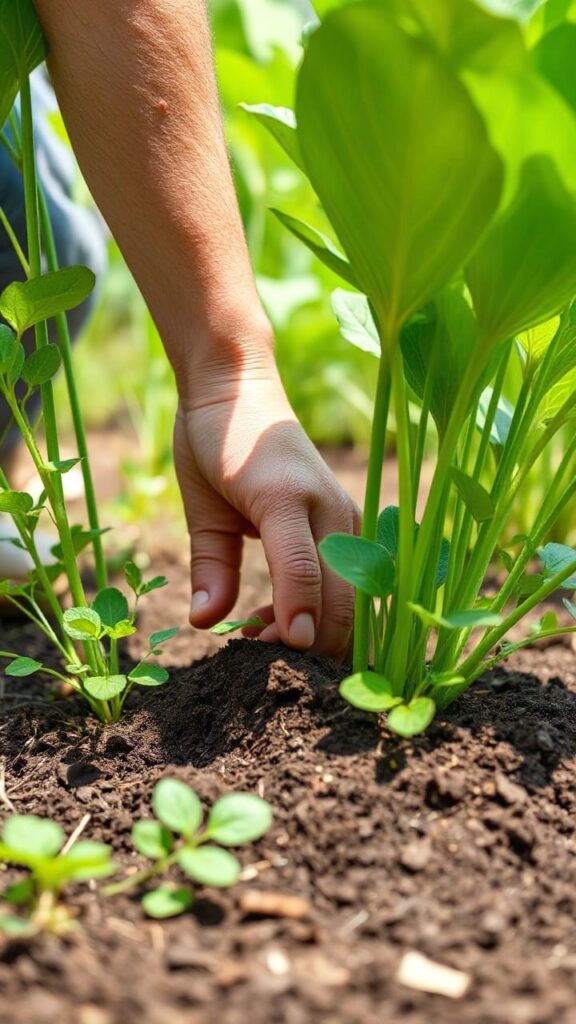
Checking Soil Moisture
Containers vs In-Ground Plants – Why It Matters in Summer
This is where a lot of people make mistakes. It’s easy to assume all plants need the same care, but containers and in-ground plants behave very differently, especially in hot weather.
In the ground, soil stays cooler and holds moisture longer. Roots have more space to spread, which helps plants stay stable even when temperatures rise. But in containers, everything is more exposed.
Pots have less soil, they heat up faster, and they lose moisture from all sides. Because of this, water disappears much quicker than most people expect. That’s why watering plants in summer requires a slightly different approach when you’re dealing with containers.
How to Handle Summer Watering for Potted Plants
With potted plants, consistency matters more than anything. Instead of following a fixed schedule, it’s better to check the soil daily and adjust based on how quickly it dries out.
When you water, make sure it reaches the bottom and drains out properly. This ensures the entire root system gets enough moisture instead of just the top layer. During heat waves, watering once in the morning and again in the evening can help maintain balance without stressing the plant.
Small adjustments can also make a noticeable difference. Using slightly larger pots gives roots more space and helps soil hold moisture longer. Lighter-colored containers reflect heat better, which keeps the soil from overheating. Adding a thin layer of mulch on top of the soil can also slow down evaporation.
All of these small changes work together to reduce water loss and keep your plants healthier throughout the summer.

Raised Bed Watering Setup
Watering Vegetables in Summer – Keep Them Healthy and Productive
Vegetables need more attention during summer compared to most plants. They grow quickly, produce fruits, and lose a lot of moisture through their leaves, which means their water needs increase as temperatures rise.
That’s why watering plants in summer, especially vegetables, should be done more thoughtfully rather than just increasing the amount of water. Timing and method both matter here.
The best approach is to water early in the morning so the soil has enough time to absorb moisture before the heat builds up. It also helps to keep the focus on the soil instead of the leaves, since wet foliage combined with heat can sometimes lead to disease issues.
Another simple but effective step is adding mulch around your plants. It slows down evaporation and helps maintain consistent moisture levels, which is important for vegetables that rely on steady growth.
If you want to make things easier and more consistent, using a drip irrigation setup can help a lot. Systems like the Rain Bird drip irrigation kit allow water to reach the roots slowly and directly, which reduces waste and keeps soil moisture balanced throughout the day. This is especially useful for vegetables that need regular and even watering to stay productive.
Tomatoes, Cucumbers, and Peppers Need Extra Care
Some vegetables are more sensitive than others, especially during hot weather. Tomatoes, cucumbers, and peppers fall into that category. They grow fast and rely heavily on consistent moisture, which means irregular watering can quickly affect their health.
When watering is not steady, you may start noticing problems like cracked fruits, dropping flowers, or leaves wilting even when the soil looks slightly moist. These signs usually point to uneven watering rather than a lack of water.
To avoid this, it’s important to keep your watering routine consistent and focus on deeper watering instead of frequent light watering. This helps roots stay stable and supports better fruit development.
This is one of the most important parts of watering plants in summer, especially if you want a steady and healthy harvest from these crops.
Simple Soil Check You Can Do Anytime
You don’t need any special tools to figure out when your plants need water. A quick check with your finger works surprisingly well.
If the soil feels dry about two inches below the surface, it’s time to water. If it still feels slightly moist, you can wait a bit longer. This small habit helps you avoid both overwatering and underwatering without making things complicated.
If you prefer a bit more accuracy, using a simple moisture meter like the Sonkir soil tester can give you a clearer idea of what’s happening below the surface, especially during extreme heat.

Moisture Meter in Use
Reduce Water Loss – Keep More Moisture Where It Matters
Before you start watering more, it actually helps to understand how to lose less. In summer, most of the problem isn’t lack of water, it’s how quickly that water disappears.
That’s why smart watering plants in summer is less about frequency and more about retention. When your soil holds moisture longer, your plants stay stable without constant watering.
Mulching Makes a Bigger Difference Than You Think
One of the easiest ways to protect your soil is by adding a mulch layer on top. Even a couple of inches can change how your garden behaves during hot days.
Materials like wood chips, straw, shredded leaves, or bark mulch all work well. Once applied, mulch acts like a protective layer that keeps soil cooler and slows down evaporation.
Over time, it also improves soil quality and helps reduce weed growth, which means less competition for water. A simple way to think about it is this: mulch works like a shield for your soil, keeping moisture where it belongs.
Managing Sun Exposure Helps Too
Heat stress is not only about temperature, it’s also about how much direct sunlight your plants receive throughout the day. Reducing that exposure, even slightly, can make watering much more effective.
For more sensitive plants, using a light shade cloth or placing them near taller plants can create partial shade. If you’re working with pots, simply moving them out of direct afternoon sun can reduce water loss significantly.
Less direct heat means less evaporation, which helps your soil stay moist for longer periods.
Choosing the Right Watering Method
Not all watering methods perform the same in summer. Some lose more water than they deliver, while others are designed to target the roots directly.
| Method | Best For | Water Efficiency |
|---|---|---|
| Sprinklers | Lawns | Low |
| Soaker hoses | Garden beds | Medium |
| Drip irrigation | Raised beds, vegetables, pots | High |
Why Drip Irrigation Works So Well
Among all methods, drip irrigation stands out because it delivers water slowly and directly to the roots. This reduces evaporation and helps maintain consistent moisture levels throughout the day.
It’s one of the most effective systems for watering plants in summer, especially if you want to save time and avoid overwatering.
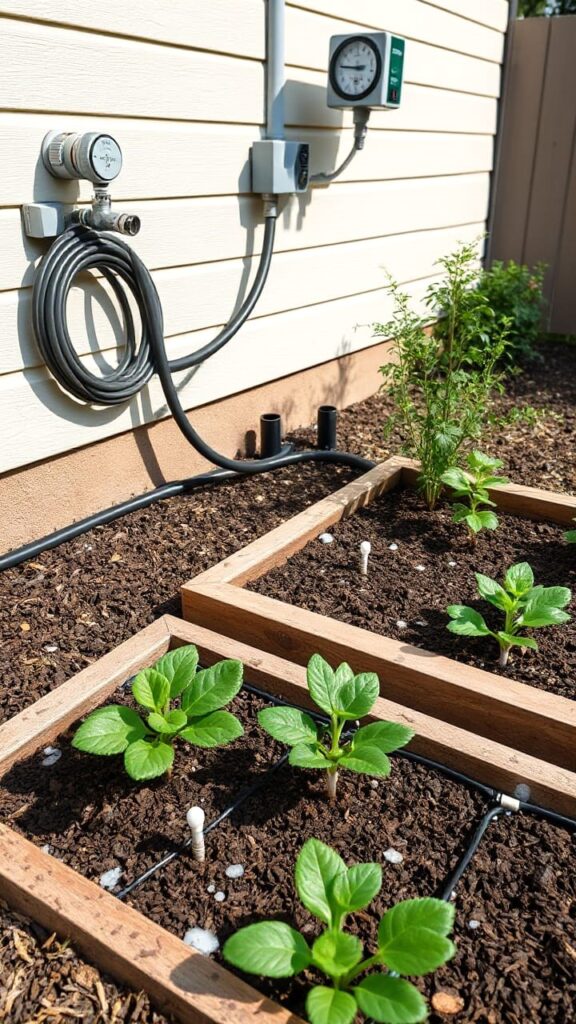
For example, using a simple drip setup with a timer means your plants get steady moisture without you having to monitor them constantly. It’s a small upgrade, but it can completely change how manageable your garden feels during peak heat.

Backyard Drip Irrigation Close-Up
Watering During Heat Waves – What Changes?
When temperatures go above 95°F, your normal watering routine needs a small adjustment. Plants lose moisture faster and become stressed more quickly.
During this time, watering plants in summer is not just about giving more water. It’s about protecting your plants and helping them stay stable in extreme heat.
The best approach is to water earlier than usual so moisture reaches the roots before temperatures rise. Adding a layer of mulch helps keep the soil cooler and slows down evaporation. For more sensitive plants, providing temporary shade can reduce stress and prevent damage.
Container plants usually need extra attention during heat waves. In very hot conditions, watering once in the morning and again in the evening helps maintain balance without overwatering.
One important thing to remember is to avoid fertilizing during extreme heat. Plants under stress cannot properly absorb nutrients, so hydration should always come first.
Signs Your Plants Are Struggling in Heat
Instead of guessing, observe your plants closely.
If leaves droop even when the soil is moist, edges turn brown, or flowers drop early, it usually means the plant is stressed from heat rather than a lack of water.
In these situations, adding more water is not always the solution. Cooling the soil with mulch or reducing direct sunlight often works better.
Common Summer Watering Mistakes
Most problems come from simple habits that seem harmless but create bigger issues over time.
Watering lightly every day is one of the biggest mistakes because it keeps roots shallow. Shallow roots dry out faster and make plants weaker in hot weather. Deep watering is always a better approach.
Another mistake is watering leaves instead of the soil. Water should reach the roots where it is needed most. Wet leaves can increase disease risk and waste water.
Potted plants are often ignored, even though they dry out much faster than garden soil. They need more frequent checks, especially during peak heat.
Skipping mulch is another common issue. Bare soil loses moisture quickly, while mulch helps retain water and protect roots.
And finally, using the same watering schedule for every plant rarely works. Different plants have different needs, so adjusting your routine based on plant type is always more effective.
Watering Plants When You Are Away
Summer often means travel, but your plants still need care. The good news is you can set things up so watering continues even when you’re not around.
A simple drip system connected to a faucet timer is one of the easiest solutions. Once set, it automatically waters your plants at scheduled times, keeping soil moisture consistent.
For garden beds, a soaker hose with a timer is another practical option. It slowly releases water into the soil and works even better when covered with mulch.
For short trips, simple self-watering tools can help manage potted plants for a few days. They’re not perfect, but they provide enough support to prevent plants from drying out.
Automatic Watering System
Frequently Asked Questions – Watering Plants in Summer
How often should I water plants in summer?
Most plants need watering every 1 to 3 days depending on heat, soil, and plant type. Always check the soil first. If it feels dry about 2 inches below the surface, it’s time to water.
What time of day is best to water plants in hot weather?
Early morning, between 5 AM and 9 AM, is the best time. It allows water to reach the roots before the heat increases and reduces evaporation.
How do I know if a plant is under-watered or over-watered?
Under-watered plants usually have dry soil and wilt early in the day. Over-watered plants may show yellow leaves and soggy soil. Checking moisture before watering helps avoid both problems.
Should I water pots differently from garden beds?
Yes. Potted plants dry out much faster and often need daily watering, while garden beds hold moisture longer and require less frequent watering.
How can I reduce water loss in summer?
Adding mulch, watering early, and improving soil with compost helps retain moisture and reduces how often you need to water.
Should I fertilize more when watering more?
No. Fertilizing during extreme heat can damage roots. It’s better to focus on watering and wait until temperatures are stable.

Raised Beds with Irrigation System Installed
Conclusion – Summer Watering Is About Smart Habits, Not More Work
Here’s the simple truth. You don’t need to spend all day watering your plants. You just need to do it the right way.
When you water early, go deeper instead of lighter, use mulch, and follow a consistent routine, everything starts to feel easier. Plants stay healthier, roots grow stronger, and you stop wasting both water and effort.
Once you understand how watering plants in summer really works, gardening becomes much more predictable and less stressful. You’re no longer guessing, you’re working with the conditions instead of fighting them.
If you want more simple and practical gardening ideas, you can always explore Gardenival.com for step-by-step guides and real-life setups.
Start small, stay consistent, and let your garden improve over time.