
 Posted by
 Introduction
Something interesting is happening right now. More people than ever are searching for ways to slow down, grow their own food, and live a little more independently. You do not need a huge farm or a remote cabin to start. Modern homesteading is becoming part of everyday life, especially for people living in suburbs or small towns who want practical, sustainable habits.
That is why homesteading skills are trending everywhere. From backyard gardening to food preservation, these skills are helping people feel more connected to their homes and daily routines. Instead of relying entirely on stores, many families are learning small habits that make them more self sufficient without completely changing their lifestyle.
If you are new to homesteading, do not worry. I have seen many beginners assume they need land, animals, or complicated tools to start. The truth is much simpler. Most modern homesteading skills can be learned step by step, even in small spaces.
In this Gardenival guide, you will explore ten homesteading skills that people across the US are learning right now. These skills are practical, beginner friendly, and surprisingly realistic for modern homes.

Modern Backyard Homesteading Setup
Why Modern Homesteading Skills Are Becoming Popular
The idea of homesteading has changed a lot over time. Traditional homesteading meant living off grid or farming large areas of land. Today, the modern homesteading lifestyle focuses more on small scale self sufficiency.
Many young homeowners are learning:
- How to grow vegetables at home
- How to reduce waste
- How to cook and preserve food naturally
- How to create sustainable outdoor spaces
People are realizing that small skills add up. Even something as simple as growing herbs or learning to compost can make daily life feel more intentional.
Modern Homesteading vs Traditional Farming
| Modern Homesteading | Traditional Farming |
|---|---|
| Small scale and flexible | Large land requirements |
| Focus on sustainability | Focus on production |
| DIY and lifestyle based | Agricultural business model |
Skill 1 – Growing Your Own Food in Small Spaces
Gardening is often the first step into homesteading. Beginner homestead gardening tips usually start with simple crops like herbs, lettuce, tomatoes, or peppers. Raised beds and container gardens make it easy to grow food even in urban homes.
One reason gardening is such an important homesteading skill is that it builds confidence quickly. You see real results in a few weeks. Watching your own vegetables grow changes how you think about food and waste.
Raised garden beds are especially popular because they help control soil quality and make gardening easier for beginners.
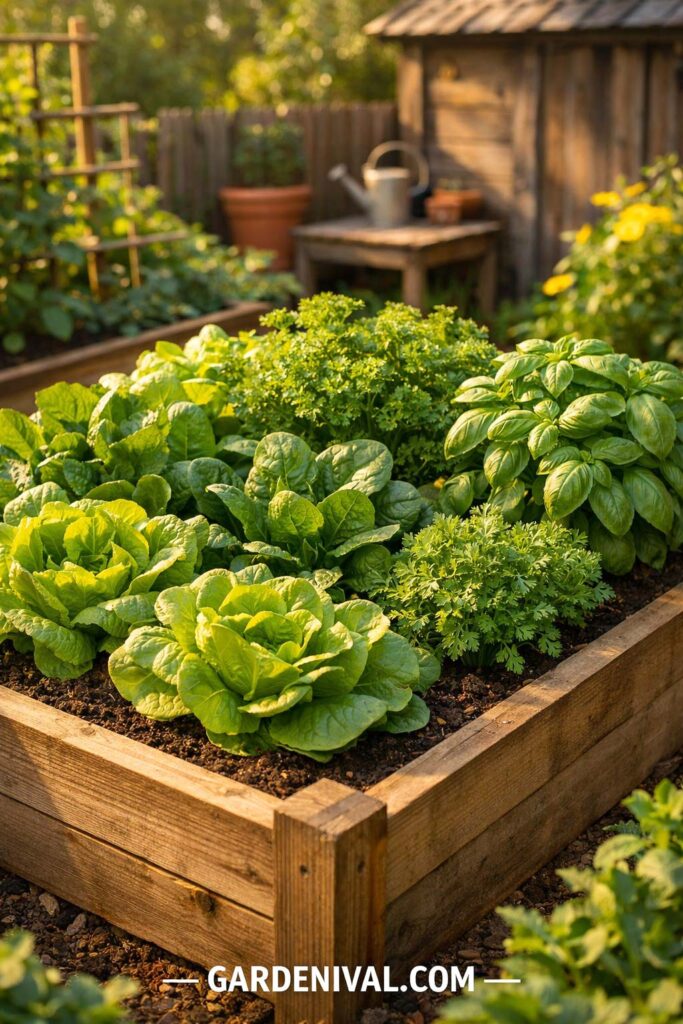
Raised Bed Vegetable Garden
Skill 2 – Food Preservation and Canning
Learning food preservation skills for homesteaders is one of the most powerful ways to become self sufficient. Canning vegetables, fruits, or sauces allows you to store seasonal harvests for months.
Many beginners start with simple water bath canning using mason jars. It sounds technical at first, but once you understand the basics, it becomes surprisingly easy.
Food preservation also reduces food waste. Instead of throwing away extra produce, you learn how to store it safely for later use.

Mason Jar Food Preservation
Skill 3 – Composting for Sustainable Living
One of the most overlooked sustainable homesteading practices is composting. It turns kitchen scraps into nutrient rich soil that improves plant growth.
Modern composting systems are clean and beginner friendly. You do not need a huge outdoor area. Many people start with small compost bins that fit into backyard corners.
Composting teaches an important lesson about self-sufficient living skills. Instead of viewing waste as useless, you begin to see it as a resource.

Backyard Compost Bin Setup
Skill 4 – Creating a Functional Kitchen Garden
A kitchen garden is different from a decorative flower bed. It focuses on growing ingredients you use every day. Herbs like basil, rosemary, and mint are perfect for beginner homesteaders.
Urban homesteading skills often begin with kitchen gardening because it is simple and rewarding. You can start with just a few containers on a balcony or patio.
The goal is not perfection. The goal is consistency. When you harvest fresh herbs from your own garden, you start to feel a deeper connection to your home environment.

Kitchen Herb Garden Containers
Skill 5 – Learning Basic DIY Repairs and Homestead Projects
DIY homestead skills are another important part of modern homesteading. Simple projects like building planter boxes, fixing fences, or creating storage solutions can save money and increase independence.
You do not need advanced tools to start. Many beginner homestead DIY projects involve simple woodworking or creative reuse of materials.
DIY projects also make your space feel personal. Instead of buying everything readymade, you learn how to shape your environment yourself.

Simple DIY Garden Project Workspace
Skill 6 – Water Conservation and Smart Irrigation Habits
One of the most practical homesteading skills you can learn at home is managing water wisely. Modern homesteaders focus on reducing waste while keeping gardens healthy. You do not need complex systems to start. Small changes like drip irrigation, rainwater collection, or watering early in the morning can make a big difference.
Many beginners underestimate how important water management is. When you learn to control moisture levels, your plants grow stronger and your garden becomes easier to maintain. Even in urban homesteading setups, simple irrigation solutions can help save time and resources.
Water conservation also connects deeply with sustainable homesteading practices. Instead of constantly relying on hoses, homesteaders often design gardens that work with natural rainfall patterns.

Simple Rainwater Collection Setup
Skill 7 – Raising Backyard Chickens on a Small Scale
Many people are surprised to learn that backyard chicken keeping basics are becoming one of the fastest growing homesteading skills. Even suburban families are exploring small flocks for fresh eggs and sustainable living.
Of course, local regulations vary, so it is important to check rules before starting. But from a lifestyle perspective, raising chickens teaches responsibility, patience, and food awareness.
You do not need a large farm. Small, well designed chicken coops can fit into compact backyards. Modern homesteading often focuses on ethical, small scale animal care rather than large production farming.

Cozy Backyard Chicken Coop
Skill 8 – Seed Saving and Seasonal Gardening
Seed saving is a classic homesteading practice that is becoming popular again. Instead of buying new seeds every year, many homesteaders learn how to collect and store seeds from successful plants.
This skill supports self sufficient living because it reduces dependence on store bought supplies. It also helps you adapt your garden to your local climate over time.
Seasonal gardening goes hand in hand with seed saving. Modern homesteaders plan crops around seasonal cycles, rotating plants to maintain healthy soil and steady harvests.

Seed Saving and Garden Planning
Skill 9 – Creating Natural Cleaning and Household Solutions
One of the more unexpected homesteading skills to save money involves learning how to create simple natural household products. Many homesteaders make their own cleaning solutions using basic ingredients like vinegar, baking soda, and essential oils.
This skill fits perfectly into modern homesteading lifestyle ideas because it reduces chemical exposure while lowering household expenses. Plus, DIY cleaning products are often easier to customize based on personal preferences.
When you start making small changes inside the home, you realize that homesteading is not just about gardening. It is about creating a sustainable daily routine.

DIY Natural Cleaning Station
Skill 10 – Building a Self-Sufficient Mindset Through Daily Habits
The most important homesteading skill is not a physical task. It is a mindset. Modern homesteading encourages you to think differently about consumption, waste, and independence.
Small habits create big change. Cooking from scratch, repairing items instead of replacing them, or growing even a small amount of food can shift how you approach daily life.
Many people assume homesteading requires a dramatic lifestyle change. In reality, it often begins with simple routines that slowly transform how your home operates.

Peaceful Homestead Morning Routine
Top Product Recommendations for Homesteading Skills
1. Vego Raised Garden Bed Kit
Why it fits
Raised beds simplify gardening for beginners and help organize planting spaces. They improve drainage and make small space gardening easier, which is essential for modern backyard homesteading ideas.
Best for
Urban homesteading setups, beginner vegetable gardens, sustainable outdoor spaces.
2. Ball Mason Jar Canning Starter Kit
Why it fits
Canning is one of the most important food preservation skills for homesteaders. A beginner friendly kit helps you safely store produce while building confidence in self sufficient cooking habits.
Best for
DIY kitchen projects, food storage, beginner homestead kitchens.
Frequently Asked Questions About Homesteading Skills
What are the most important homesteading skills for beginners
Gardening, food preservation, composting, and DIY projects are often the first steps because they are practical and easy to learn.
How do I start learning homesteading skills at home
Start small. Grow herbs, learn basic cooking skills, and explore simple DIY projects that fit your space.
Can you practice homesteading skills in a small backyard or apartment
Yes. Many urban homesteading ideas focus on container gardening, balcony herbs, and small compost systems.
Which homesteading skills save the most money
Food preservation, gardening, and DIY repairs often reduce daily expenses significantly.
What tools are needed to learn homesteading skills
Basic gardening tools, mason jars for canning, and simple DIY equipment are enough for beginners.
How do modern homesteading skills differ from traditional farming
Modern homesteading focuses on small scale sustainability and lifestyle changes rather than large agricultural production.
Conclusion
Homesteading skills are not about escaping modern life. They are about reshaping it in a way that feels more intentional and connected to nature. From gardening and composting to food preservation and DIY projects, each skill builds confidence and independence over time.
What makes modern homesteading so powerful is its flexibility. You can start with a tiny balcony, a small backyard, or even a few kitchen projects. Every small step brings you closer to a lifestyle that feels grounded and meaningful.
If you are just beginning your journey, remember that homesteading is not a race. It is a process of learning, experimenting, and discovering what works best for you and your home.