 Posted by
 Introduction Why Raised Garden Beds Are Perfect for Beginners
Let’s be honest.
Starting a garden can feel confusing. Bad soil, weeds, poor drainage, and unpredictable results make many beginners give up before they even get started.
That is exactly why following a proper raised garden beds beginner guide change everything.
Raised beds give you control.
You control the soil. You control the layout. You control the quality of your plants.
And the best part is this.
You do not need a big backyard or years of experience. Raised bed gardening is one of the easiest and most reliable ways to grow your own vegetables at home.
If you want to improve plant health even faster, learning gardening hacks every plant lover should know for healthier plants can give you an extra advantage right from the start.
What Are Raised Garden Beds and Why They Work So Well
A raised garden bed is simply a container filled with soil that sits above ground level.
Instead of planting directly into your yard soil, you create your own growing environment.
Why Raised Beds Are So Effective
- Better soil quality control
- Improved drainage
- Fewer weeds
- Easier maintenance
- Faster soil warming
This is why every good raised garden beds beginner guide starts with understanding these basics.
Best Raised Garden Bed Sizes for Beginners
Choosing the right size is important.
If your bed is too large, you will struggle to reach the middle. If it is too small, you will run out of growing space.
Recommended Sizes
| Bed Size | Best For | Notes |
|---|---|---|
| 4×4 ft | Beginners | Easy to manage |
| 4×8 ft | Vegetables | Ideal balance |
| 2×6 ft | Small spaces | Great for herbs |
| Tall beds | Comfort | Less bending |
Important Rule
Never make your bed wider than 4 feet.
This allows you to reach the center without stepping on your soil.

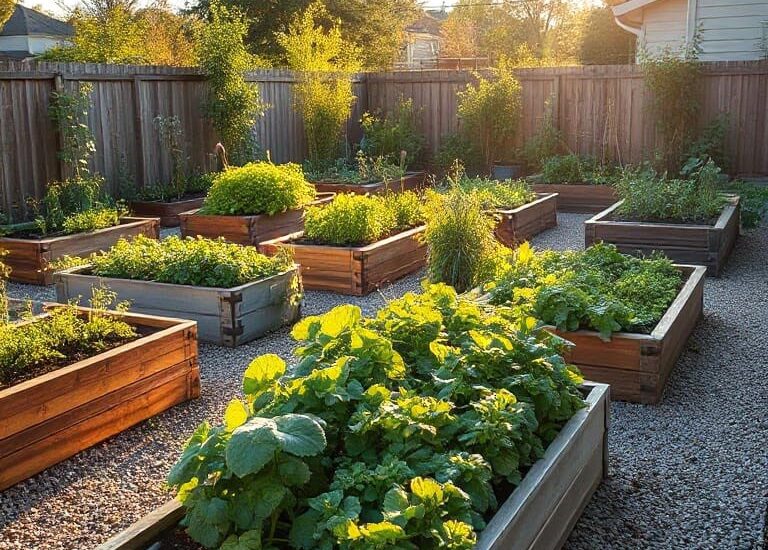
DIFFERENT BED SIZES IN BACKYARD
How Much Do Raised Garden Beds Cost
The cost depends on your material and setup.
Average Cost Range
- DIY wooden beds: affordable
- Metal kits: mid-range
- Premium systems: higher investment
If you are just starting, keep it simple.
You can always upgrade later.
For budget friendly upgrades, ideas from easy DIY natural garden decor ideas to brighten your outdoor space can help you improve your garden without overspending.
Wood vs Metal Raised Garden Beds Which Is Better
This is one of the most common questions.
Wood Beds
- Natural look
- Easy to build
- Affordable
Metal Beds
- Long lasting
- Modern appearance
- Low maintenance
If you want durability, metal beds are becoming the preferred choice.
How Deep Should a Raised Garden Bed Be
Depth is critical for plant health.
Depth Guide
- 6 to 8 inches for herbs and greens
- 10 to 12 inches for vegetables
- 18+ inches for root crops
More depth means stronger roots and healthier plants.
What to Put at the Bottom of a Raised Garden Bed
You do not need anything complicated.
Best Base Layer
- Cardboard to block weeds
- Optional landscape fabric
- Wire mesh for pest protection
Avoid plastic, as it blocks drainage.
Best Soil Mix for Raised Garden Beds
Soil quality is the most important factor.
Ideal Soil Mix
- 50 percent topsoil
- 30 percent compost
- 20 percent aeration material
This mix provides nutrients, airflow, and moisture balance.
If you want to go fully natural, learning ways to make organic fertilizer at home using kitchen waste can help you improve soil quality over time.

SOIL LAYERS IN RAISED BED
Raised Bed Layout Ideas That Actually Work
Layout determines how efficient your garden will be.
Simple Layout Rules
- Place tall plants at the back
- Leave walking space between beds
- Group plants with similar needs
If you are just starting, following easy gardening tips that actually work for beginners can help you avoid common layout mistakes.
What Grows Best in Raised Garden Beds
Raised beds are perfect for most vegetables.
Best Crops
- Tomatoes
- Peppers
- Lettuce
- Spinach
- Cucumbers
- Herbs
These crops thrive in controlled soil environments.

VEGETABLES GROWING IN RAISED BEDS
How Often Should You Water Raised Garden Beds
Raised beds dry faster than ground soil.
Watering Guide
- Summer: every 1 to 2 days
- Spring and fall: every 2 to 4 days
Using drip irrigation can make this process easier and more efficient.
How to Protect Raised Garden Beds from Pests and Damage
No matter how good your setup is, pests will try to ruin your hard work.
A proper raised garden beds beginner guide always includes protection strategies.
Common Problems
- Rabbits eating plants
- Slugs damaging leaves
- Gophers attacking roots
Easy Protection Methods
- Install wire mesh under beds
- Use net covers for plants
- Add raised bed covers
Most pests look for easy access. Make it difficult, and they move on.
Raised Garden Beds for Small Spaces Patios and Rentals
You do not need a large backyard to start gardening.
Even small areas can work perfectly.
Best Options for Small Spaces
- Narrow raised beds
- Tall metal beds
- Portable planters
- Balcony friendly setups
If you are working with limited space, growing vegetables you can grow in pots based on container size guide is a great way to expand your garden beyond raised beds.

SMALL SPACE RAISED BED GARDEN
Advanced Tips to Get Better Results Faster
Once you understand the basics, small improvements can make a big difference.
Pro Gardening Tips
- Rotate crops every season
- Improve soil regularly
- Water deeply instead of frequently
- Harvest on time to encourage growth
Many experienced gardeners rely on genius gardening hacks that will change your garden forever to increase productivity without extra effort.
Product Recommendation Section
Product Pick 1: Vego Garden Modular Metal Raised Garden Bed
One of the best options for beginners and long-term use.
- Durable and rust resistant
- Safe for growing vegetables
- Customizable sizes
- Low maintenance
Perfect for anyone following a serious raised garden beds beginner guide.
Product Pick 2: Vego garden Raised Garden Bed Kits
Great for those who prefer a natural wooden look.
- Easy to assemble
- Flexible sizing
- Beginner friendly
Ideal for backyard gardens and DIY setups.
Common Raised Garden Bed Mistakes to Avoid
Avoiding mistakes is just as important as following good practices.
Do Not Do This
- Making beds too wide
- Using poor quality soil
- Overcrowding plants
- Ignoring watering systems
- Planting at the wrong time
These mistakes can reduce your success even if everything else is done correctly.
How to Make Your Raised Garden Bed More Productive
Productivity comes from planning, not effort.
Simple Ways to Improve Yield
- Use succession planting
- Combine compatible plants
- Maintain soil health
- Monitor sunlight exposure
Small adjustments can lead to much better results.
Quick Summary Table Raised Garden Bed System
| Element | What to Do | Result |
|---|---|---|
| Soil | Use proper mix | Healthy plants |
| Size | Keep beds reachable | Easy maintenance |
| Layout | Plan spacing well | Better growth |
| Watering | Stay consistent | Strong roots |
| Protection | Prevent pests early | Higher yield |
Frequently Asked Questions
What is the best size for raised garden beds?
4×4 or 4×8 feet is ideal for beginners.
How deep should raise beds be?
At least 10 to 12 inches for most vegetables.
What soil is best for raised beds?
A mix of topsoil, compost, and aeration material works best.
Can I use raised beds in small spaces?
Yes, they work perfectly in patios and small yards.
How often should I water raised beds?
Every 1 to 2 days in summer and less frequently in cooler seasons.
Are raised beds good for beginners?
Yes, they are one of the easiest ways to start gardening.
Conclusion: Start Small Grow Better
Here is the truth.
You do not need a perfect garden to start.
You need a simple system.
When you follow a proper raised garden beds beginner guide, everything becomes easier.
- Better soil
- Better growth
- Better results
Start with one bed.
Learn from it.
Then expand.
Because gardening is not about perfection.
It is about progress.