
 Posted by
 Introduction
You plant your first herbs or vegetables with excitement. The soil looks perfect, the pots feel fresh, and everything seems ready to grow. But after a few weeks, something changes. Leaves fade, growth slows down, or plants simply stop thriving.
If you feel like you are doing everything right but your garden still struggles, you are not alone. Most beginner gardening mistakes happen quietly. They do not look like obvious problems at first, yet they slowly affect plant health.
The good news is that gardening is not complicated once you understand the basics. Plants respond to small habits. A slight change in watering, spacing, or soil quality can completely transform how your garden performs.
In this guide, we will explore seven beginner gardening mistakes that many people make without realizing. More importantly, you will learn simple fixes that help your plants grow stronger and your garden feel more organized.
Why Beginner Gardening Mistakes Are So Common
Many new gardeners follow advice from different sources without understanding how plants behave in their own space. One person waters daily, another waters weekly, and suddenly it feels impossible to know what works.
Common beginner garden problems usually come from:
- Planting without checking sunlight levels
- Overwatering because the surface soil looks dry
- Using poor quality soil mixes
- Growing too many plants in small spaces
The goal is not perfection. The goal is understanding patterns so you can adjust quickly.

Beginner Vegetable Garden Troubleshooting Guide
Mistake 1 – Overwatering Without Realizing
Many beginners believe watering more often will help plants grow faster. In reality, roots need oxygen as much as they need moisture.
When soil stays wet for too long, roots struggle to breathe, leading to yellow leaves and slow growth.
Signs you may be overwatering
- Drooping leaves even when soil is wet
- Mushy stems
- Fungus growth on soil surface
How to fix it fast
- Check soil two inches below the surface before watering
- Use pots with proper drainage holes
- Water deeply but less frequently
A drip irrigation starter kit is helpful for beginners because it provides slow, steady moisture without guessing.

Stop Overwatering Your Plants
Mistake 2 – Planting Without Understanding Sunlight
One of the most common beginner plant care mistakes is placing plants based on where space is available rather than where light is strongest.
Vegetables like tomatoes and peppers need full sun, while leafy greens often tolerate partial shade.
Easy sunlight guide
| Sunlight Level | Beginner Friendly Plants |
|---|---|
| Full Sun | Tomatoes, basil, peppers |
| Partial Sun | Lettuce, spinach |
| Light Shade | Mint, parsley |
Matching plant needs with natural light instantly improves growth.

sunlight zones in garden
Mistake 3 – Ignoring Soil Quality
Healthy soil is the foundation of every successful garden. Beginners often use basic ground soil, assuming plants will adapt. Unfortunately, poor soil leads to weak roots and nutrient problems.
Simple soil improvement tips
- Add compost or organic matter before planting
- Use raised garden beds for better drainage
- Avoid heavy clay soil without amendments
Raised garden bed kits are popular because they allow beginners to start fresh with balanced soil rather than trying to fix existing ground conditions.

Start with Healthy Soil for Better Plants
Mistake 4 – Overcrowding Plants in Small Spaces
When you are excited about gardening, it is tempting to plant everything close together. Overcrowding may look full at first, but it quickly creates problems.
Plants compete for sunlight, water, and nutrients. Poor airflow can also increase disease risk.
Better spacing habits
- Leave space between containers
- Follow seed packet spacing guides
- Arrange plants in layers rather than rows
Gardens feel calmer and more aesthetic when spacing is intentional.

Proper plant spacing layout
Mistake 5 – Using Too Much Fertilizer Too Soon
Fertilizer feels like a quick fix, but too much can stress plants instead of helping them.
New gardeners often add nutrients before plants even establish roots. This can lead to burned leaves or weak growth.
Safer beginner approach
- Start with compost enriched soil
- Feed lightly after plants show new growth
- Observe plant reactions before adding more nutrients
Balanced soil health matters more than constant feeding.

Using Too Much Fertilizer Too Soon
Mistake 6 – Not Planning a Simple Garden Layout
Random plant placement makes watering and harvesting harder. A simple layout helps plants receive balanced light and airflow.
Beginner layout formula
- Tall plants at the back
- Medium plants in the middle
- Low herbs at the front
This layered approach improves both function and visual appeal.

layered beginner garden
Mistake 7 – Expecting Instant Results
Gardening teaches patience. Plants often spend early weeks growing roots instead of visible leaves.
Beginners sometimes change watering, fertilizer, or placement too quickly because they think growth is too slow. Constant adjustments create stress for plants.
What healthy growth really looks like
- Steady new leaves instead of rapid growth
- Strong stems over time
- Gradual improvement rather than sudden changes
Observation is one of the best beginner gardening tips you can develop.
Building Better Beginner Gardening Habits That Actually Work
By now you have seen how small beginner gardening mistakes quietly affect plant growth. The next step is building habits that prevent those issues before they start.
Many successful gardeners do not rely on complicated techniques. Instead, they focus on simple routines that keep plants stable week after week.
Let us continue with the next set of solutions and practical strategies that help new gardeners avoid common gardening mistakes beginners make.
Mistake 8 – Choosing Plants That Are Too Advanced
One of the biggest beginner garden problems happens before planting even starts. Many new gardeners choose plants that require perfect conditions, then feel discouraged when they struggle.
Trendy plants often look beautiful online, but some require precise watering, temperature control, or pruning skills.
Beginner friendly plant choices
- Herbs like basil, mint, and chives
- Leafy greens such as lettuce or spinach
- Cherry tomatoes instead of large heirloom varieties
Starting simple builds confidence and helps you learn how plants respond to your environment.

Easy plants for new gardeners
Mistake 9 – Forgetting About Drainage
Drainage problems are one of the most overlooked beginner gardening mistakes. Even healthy soil fails if water cannot move freely.
Poor drainage leads to root rot, slow growth, and nutrient imbalance.
How to improve drainage quickly
- Use pots with multiple drainage holes
- Add perlite or compost to heavy soil
- Elevate containers slightly off the ground
Raised garden beds help beginners avoid many drainage problems because soil structure stays loose and balanced.
Mistake 10 – Skipping Regular Observation
Many new gardeners water on a schedule instead of checking plant condition. Plants change depending on weather, sunlight, and growth stage.
Instead of fixed routines, try simple observation habits:
- Touch soil before watering
- Check leaf color weekly
- Rotate pots to balance sunlight
Small observations prevent larger garden troubleshooting issues later.

Beginner plant care routine
Container Gardening and How It Reduces Beginner Mistakes
If your ground garden feels overwhelming, container gardening can reduce many beginner plant care mistakes.
Containers allow you to control:
- Soil quality
- Watering levels
- Plant spacing
This is why many new gardeners shift to patio or balcony setups first.
Comparison Table – Ground Garden vs Container Garden
| Feature | Ground Garden | Container Garden |
|---|---|---|
| Soil Control | Limited | High |
| Drainage Management | Harder | Easier |
| Beginner Friendly | Medium | High |
| Space Flexibility | Low | High |
Container setups make it easier to troubleshoot beginner gardening problems because each plant has its own environment.
Beginner Tools That Prevent Gardening Mistakes
Choosing the right tools is not about spending more money. It is about reducing guesswork.
1. Raised Garden Bed Kit
Raised beds improve soil structure and make spacing easier. Beginners often succeed faster because weeds and drainage problems are reduced.
2. Drip Irrigation Starter Kit
Consistent watering prevents overwatering and underwatering. These systems deliver moisture directly to roots, which helps plants stay balanced even during warm weather.
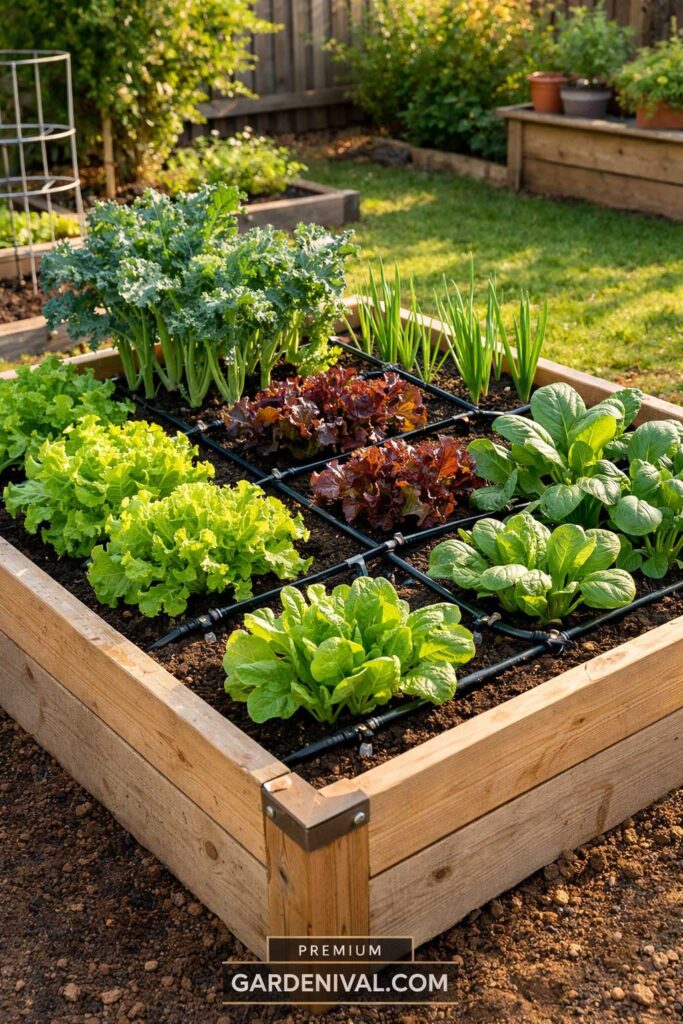
Raised bed beginner garden setup
How to Fix a Struggling Garden Step by Step
If your plants already look stressed, do not worry. Many gardens recover quickly once small adjustments are made.
Quick recovery checklist
- Check sunlight levels first
- Reduce watering frequency slightly
- Remove damaged leaves
- Add compost instead of heavy fertilizer
- Improve spacing for airflow
Most struggling vegetable gardens improve within weeks after these changes.
Frequently Asked Questions About Beginner Gardening Mistakes
What are the most common beginner gardening mistakes to avoid
Overwatering, poor sunlight placement, and overcrowding are the biggest issues beginners face.
Why do my plants keep dying even when I water them regularly
Too much water can suffocate roots. Always check soil moisture below the surface before watering.
How much sunlight do beginner plants actually need
Most vegetables require six to eight hours of direct sunlight daily.
Is overwatering the biggest gardening mistake beginners make
Yes. Many new gardeners water based on habit rather than plant needs.
What soil problems cause plants to grow slowly
Compacted soil, poor drainage, and lack of organic matter reduce root health.
How do I choose easy plants as a beginner gardener
Start with herbs, leafy greens, and compact vegetable varieties.
Why do seedlings die after transplanting
Sudden sunlight exposure or inconsistent watering often causes transplant shock.
How often should beginners fertilize their garden
Light feeding every few weeks is usually enough once plants establish strong roots.
What tools help beginners avoid garden mistakes
Raised beds and drip irrigation systems reduce soil and watering problems.
Can container gardening reduce beginner mistakes
Yes. Containers offer better control over soil, drainage, and spacing.
Beginner Gardening Mindset That Leads to Success
One thing I always tell new gardeners is this: plants are forgiving. Even experienced gardeners make mistakes every season.
Gardening becomes easier when you treat it as a learning process rather than a perfect science. Watch how plants respond. Adjust slowly. Celebrate small improvements.
Over time, you will notice patterns. You will recognize when leaves need more light or when soil needs a break. That awareness turns beginner gardeners into confident growers.
Conclusion
Beginner gardening mistakes are not failures. They are simply signals showing what plants need next. Once you understand sunlight, watering balance, soil quality, and spacing, your garden begins to grow with less effort.
Start small. Focus on healthy habits rather than perfect results. Whether you use raised beds, containers, or a small backyard plot, the key is consistency and observation.
If you apply even two or three changes from this guide, you will likely notice stronger growth and fewer problems within weeks.
Gardening should feel calming, creative, and rewarding. And honestly, every gardener starts exactly where you are now.