 Posted by
 Introduction
You do not need a big backyard to grow fresh vegetables. In fact, some of the most productive gardens today are growing inside simple buckets. Bucket gardening ideas have exploded in popularity because they make gardening affordable, flexible, and perfect for apartments or small patios.
I remember the first time I tried container bucket gardening. I expected it to be a temporary solution until I had more space. But the results surprised me. Plants grew faster, soil stayed healthier, and watering became easier to control. That is when I realized bucket gardening is not just a workaround for small spaces. It is a smart gardening strategy.
If you want to grow food without heavy tools or expensive raised beds, this guide will show you exactly how to do it. These bucket gardening ideas are practical, beginner friendly, and designed for real homes.

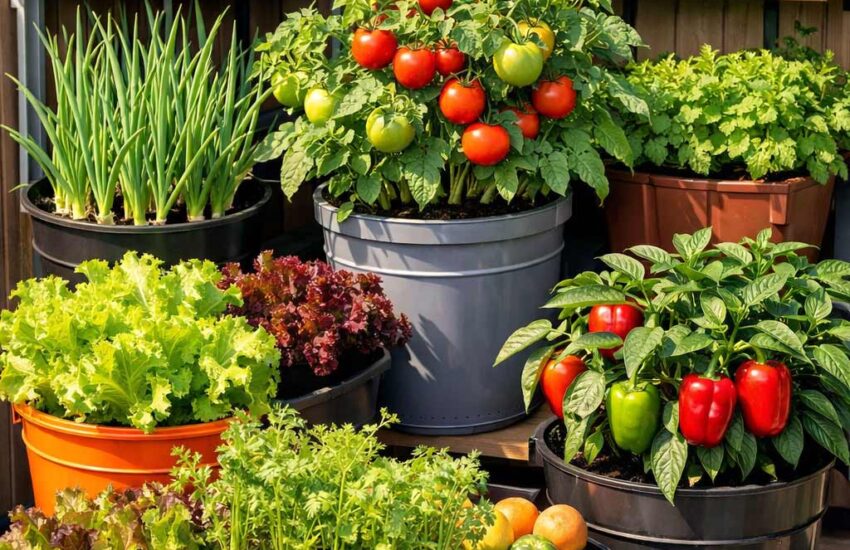
Modern Bucket Garden Setup
Why Bucket Gardening Ideas Work So Well in Small Spaces
Bucket gardening is simple. You grow plants in containers instead of traditional soil beds. This approach solves many common gardening problems.
Benefits include:
- Full control over soil quality
- Better drainage compared to ground planting
- Easy mobility for sunlight adjustments
- Less weed growth
Many beginners ask if bucket gardening for beginners is actually effective. The answer is yes. With proper drainage holes and good soil mix, bucket planters can produce strong harvests.
The Best Vegetables for Bucket Gardening
Not every plant thrives in a container. Some vegetables grow especially well in 5 gallon bucket gardening setups because their roots adapt easily.
Vegetables that grow best in buckets
- Tomatoes
- Peppers
- Lettuce
- Spinach
- Herbs like basil or mint
These crops answer one of the most common questions: which vegetables grow best in buckets. Compact root systems make them ideal for small container spaces.
Bucket Size Guide
| Plant Type | Recommended Bucket Size |
|---|---|
| Herbs | 1 to 2 gallon bucket |
| Leafy Greens | 3 to 5 gallon bucket |
| Tomatoes | 5-gallon bucket or larger |

Tomato Plants Growing in Buckets
Idea 1 – DIY Self Watering Bucket Garden
One of the smartest bucket gardening ideas for small spaces is building a self watering system. Sub irrigated bucket planters deliver moisture from the bottom instead of the top.
Benefits include:
- Less daily watering
- Stronger root growth
- Reduced risk of overwatering
To create one, add a water reservoir at the bottom using a small container or pipe system. This design is perfect for busy schedules or hot climates.

DIY Self Watering Bucket Planter
Idea 2 – Hanging Bucket Garden for Vertical Spaces
If you live in an apartment, hanging bucket garden ideas save floor space while adding visual interest.
Use sturdy hooks or balcony rails to suspend lightweight buckets. This method works well for:
- Strawberries
- Herbs
- Small leafy greens
Vertical bucket gardens make balconies feel lush without overcrowding.

Hanging Bucket Herb Garden
Idea 3 – Upside Down Bucket Tomato Planter
An upside down bucket tomato planter is one of the most creative DIY bucket garden ideas. The plant grows through a hole at the bottom while roots stay inside the bucket.
Advantages include:
- Saves space
- Reduces pest exposure
- Keeps fruit clean
This design works especially well for cherry tomatoes in small patios.
Image Title: Upside Down Tomato Bucket Planter
Image Prompt
Vertical 2:3 upside down bucket tomato planter hanging from wooden beam, vibrant red tomatoes growing downward, realistic outdoor garden photography, small capital premium badge style GARDENIVAL.COM centered at bottom footer
Idea 4 – Bucket Herb Garden for Beginners
If you are new to container gardening with buckets, herbs are the easiest starting point. Basil, parsley, cilantro, and oregano grow quickly and require minimal space.
Use one bucket per herb to avoid root competition. A bucket herb garden also lets you move plants indoors during colder weather.
Idea 5 – Balcony Vegetable Bucket Garden Layout
Many urban gardeners worry about space. A balcony vegetable bucket garden solves that problem by using simple rows or staggered arrangements.
Tips for layout:
- Place taller plants at the back
- Keep smaller herbs near the front
- Leave walking space for easy maintenance
A well-planned layout prevents overcrowding and keeps airflow strong.

Balcony Bucket Vegetable Layout
Idea 6 – Raised Bucket Garden System
A raised bucket garden system lifts containers off the ground using wooden stands or shelves. This improves drainage and makes watering easier.
Benefits include:
- Better airflow under buckets
- Less strain on your back
- Cleaner garden setup
Raised bucket systems are especially useful for patios where surface drainage is limited.

Raised Bucket Garden Shelf System
Idea 7 – Budget Friendly DIY Bucket Garden
Bucket gardening is popular because it is affordable. Food grade buckets are inexpensive and easy to modify.
To create a budget bucket garden:
- Drill drainage holes
- Add quality potting soil
- Use recycled materials for stands
This setup proves you do not need expensive equipment to start growing food at home.
Idea 8 – Bucket Gardening for Root Vegetables
Many people assume root vegetables cannot grow in buckets, but that is not true. With the right depth and soil mix, bucket gardening vegetables like carrots, radishes, and even small potatoes can thrive.
The key is depth. Root vegetables need vertical space more than width.
Best practices for root crops in buckets
- Use tall buckets, at least 12 to 14 inches deep
- Choose loose, well draining soil
- Avoid compacting the soil when planting
This method works especially well for patio bucket garden setups where traditional garden beds are not possible.

Root Vegetables Growing in Buckets
Idea 9 – Bucket Herb Garden with Rotating Sunlight
One underrated benefit of container gardening with buckets is mobility. Buckets can be moved easily to chase sunlight.
A rotating bucket herb garden ensures plants receive even sun exposure throughout the day.
This technique answers a common question: can bucket gardening work on balconies or patios. Yes, especially when you can move containers to brighter spots.
Idea 10 – Bucket Garden With Mulching to Prevent Overheating
One of the biggest challenges in bucket gardening is heat buildup. Plastic buckets can overheat roots during summer.
Mulching solves this problem.
Mulch options that work well
- Straw
- Dry leaves
- Coconut coir
- Wood chips
Mulch keeps soil cool and reduces water evaporation, helping prevent bucket plants from overheating in summer.

Mulched Bucket Garden Setup
Idea 11 – Bucket Gardening with Companion Planting
Companion planting is not just for large gardens. You can use it in bucket planter gardening too.
Examples include:
- Basil with tomatoes
- Lettuce with radishes
- Marigolds to deter pests
Companion plants improve growth and reduce pest problems naturally, making bucket gardens more productive.
Idea 12 – Self Watering Bucket Garden for Busy Schedules
If daily watering feels overwhelming, self watering bucket gardens are a lifesaver. These systems pull water upward as needed.
Benefits include:
- Consistent moisture
- Healthier root systems
- Less plant stress
Self-watering buckets are especially useful for beginners learning proper watering balance.

Self-Watering Bucket Garden System
Idea 13 – Bucket Gardening Indoors Near Windows
Bucket gardening does not have to stop when outdoor space is limited. Indoor bucket gardens placed near sunny windows work well for herbs and greens.
Use trays to catch drainage water and rotate plants weekly to ensure even growth.
This method is ideal for winter gardening or apartment living.
Idea 14 – Bucket Garden Irrigation With Drip Lines
Advanced bucket gardeners often connect multiple buckets to a drip irrigation line. This system saves time and ensures uniform watering.
Benefits include:
- Reduced watering errors
- Better plant health
- Scalable garden design
This setup works beautifully for raised bucket garden systems or larger patio layouts.

Drip Irrigation Bucket Garden
Idea 15 – Seasonal Bucket Gardening for Year-Round Growing
One of the biggest advantages of bucket gardening ideas is seasonal flexibility. You can switch crops easily as seasons change.
Examples:
- Spring: lettuce, spinach
- Summer: tomatoes, peppers
- Fall: herbs, kale
- Winter: indoor greens
This keeps your garden productive year round, even in small spaces.
Common Mistakes to Avoid in Bucket Gardening
Many beginners make simple mistakes that reduce success.
Avoid these issues
- No drainage holes
- Poor soil mix
- Overcrowding plants
- Ignoring sunlight needs
Fixing these basics improves results instantly.
Top Product Recommendations for Bucket Gardening Ideas
1. Food Grade 5 Gallon Bucket Planter Kits
Why it fits bucket gardening ideas
Buckets are affordable, portable, and perfect for small space vegetable growing.
Best For
Beginners, apartment gardeners, balcony setups.
2. Sub Irrigated Bucket Planter Kits
Why it fits bucket gardening ideas
They provide consistent moisture and reduce watering mistakes.
Best For
Busy gardeners, hot climates, self watering setups.
Frequently Asked Questions About Bucket Gardening Ideas
What are bucket gardening ideas and how do they work
Plants grow in buckets instead of ground soil, allowing full control over soil and water.
Which vegetables grow best in buckets
Tomatoes, peppers, lettuce, herbs, and spinach grow especially well.
How big should a bucket be for container gardening
Most vegetables need at least a 5 gallon bucket.
Do bucket gardens need drainage holes
Yes. Proper drainage prevents root rot.
How often should I water plants grown in buckets
Water when the top inch of soil feels dry.
Can beginners start gardening using only buckets
Absolutely. Bucket gardening is one of the easiest ways to begin.
Conclusion
Bucket gardening ideas prove that growing food does not require a large backyard or expensive tools. With simple buckets, good soil, and smart watering, you can grow fresh vegetables almost anywhere.
Whether you live in an apartment, have a small patio, or want a low-cost garden setup, bucket gardening offers flexibility and control that traditional gardens often lack. Start with one or two buckets, learn how plants respond, and expand as confidence grows.