 Posted by
 Imagine stepping into your kitchen and reaching for fresh, fragrant herbs that elevate your meals with vibrant flavor all grown by you, right at home. There’s something deeply satisfying about harvesting your own herbs, whether it’s a sprig of basil for your pasta or a pinch of mint for your tea.
Not only do fresh herbs brighten your dishes, but they also bring a touch of greenery and life into your living space. If you’ve ever thought about starting an indoor herb garden but worried it might be complicated or time-consuming, you’re in the right place. Let’s explore the top 10 easy herbs to grow at home that will keep your pantry stocked with fresh flavor all year round, no matter your gardening experience.

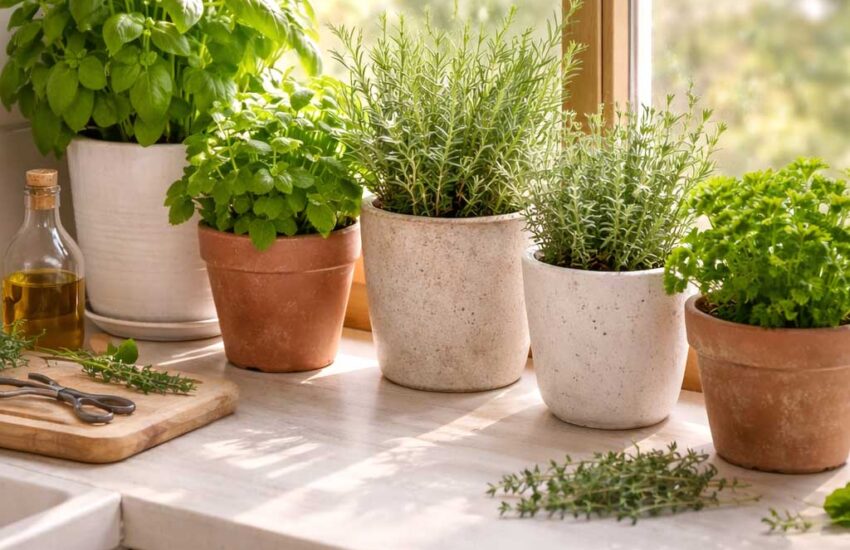
Fresh Kitchen Herb Garden on Sunny Windowsill
Why Grow Herbs at Home? Benefits That Go Beyond Flavor
Before diving into which herbs are the easiest to grow, let’s talk about why having fresh herbs at home is worth it. Growing your own herbs isn’t just a fun hobby; it’s a way to boost your cooking, improve your health, and even add charm to your living space.
Fresh herbs are loaded with nutrients and antioxidants, offering health perks that dried ones just can’t match. Plus, there’s the joy of nurturing something living, which adds a cozy, organic touch to your kitchen or urban sanctuary.
Indoor herb gardens are especially convenient for those of us living in apartments or places with limited outdoor space. With some simple pots and good lighting, you can enjoy fresh herbs year-round.
Growing herbs also reduces grocery trips, cuts down on plastic waste, and saves money in the long run. And let’s be honest, there’s nothing quite like the scent of fresh herbs wafting through your home, it’s an instant mood lifter.
What Makes an Herb Easy to Grow at Home?
When looking for easy herbs to grow, consider low maintenance, adaptability to indoor environments, and fast growth. The best herbs for beginners thrive in pots or containers, tolerate a range of light conditions, and don’t require fancy soil or complicated watering schedules. Knowing these basics will help you choose herbs that fit your lifestyle and space.

Rustic Shelf Herb Garden Setup
Top 10 Easy Herbs to Grow at Home for Fresh Flavor
| Herb | Light Needs | Watering Frequency | Best For | Growing Tips |
|---|---|---|---|---|
| Basil | Bright, direct sunlight (6+ hours) | Keep soil moist but not soggy | Pesto, salads, Italian dishes | Pinch off flowers to encourage leaf growth |
| Mint | Partial to bright indirect light | Water when top inch of soil feels dry | Teas, cocktails, desserts | Contains runners; grow in separate pots to control spread |
| Rosemary | Bright sunlight (6+ hours) | Allow soil to dry between watering | Roasts, soups, breads | Good airflow reduces mildew risk |
| Thyme | Full sun to partial shade | Water when soil is dry to the touch | Soups, stews, marinades | Prune regularly to maintain shape |
| Parsley | Bright indirect light | Keep soil evenly moist | Garnishes, salads, sauces | Prefers cooler temps; avoid overwatering |
| Chives | Bright light (4-6 hours) | Water when soil feels dry | Egg dishes, soups, salads | Harvest leaves regularly to promote new growth |
| Cilantro | Full sun to light shade | Keep soil moist, not wet | Salsas, Mexican dishes, curries | Bolts quickly in heat; grow multiple batches |
| Lemon Balm | Partial sun to shade | Water regularly, keep soil moist | Teas, desserts, salads | Thrives indoors and outdoors; can spread quickly |
| Sage | Full sun | Allow soil to dry between watering | Meat dishes, stuffing, sauces | Needs good drainage to prevent root rot |
| Oregano | Full sun | Water when soil dries out | Italian and Greek dishes, sauces | Prune to keep compact and healthy |
Herbs for Beginners: Simple and Low Maintenance
If you’re just starting your herb gardening journey, the above list includes some of the best herbs for beginners. Mint, for example, is famously hardy and will thrive with minimal fuss, but keep it in its own container to avoid it taking over your kitchen. Basil and parsley are great staples that respond well to regular harvesting. Rosemary, while a bit more particular about watering, rewards you with that aromatic punch that’s hard to beat.
Remember, the key to a thriving indoor herb garden is choosing herbs that suit your environment and lifestyle. If you don’t have a sun-soaked windowsill, herbs like lemon balm and mint tolerate lower light better than others.

Smart Hydroponic Herb Garden with LED Grow Lights
How to Care for Your Indoor Herb Garden
Lighting: The Secret Ingredient
Light is the most important factor for healthy, fresh herbs. Most herbs thrive in bright, direct sunlight for at least four to six hours a day. South-facing windowsills are perfect, but if natural light is limited, consider grow lights. LED grow lights are energy-efficient and can extend your growing season, especially in winter.
Soil and Containers
Use well-draining potting soil designed for herbs or vegetables. Avoid heavy garden soil that retains too much moisture and can suffocate roots. Containers with drainage holes are a must to prevent root rot. If you want to go soil-free, hydroponic setups like the AeroGarden Harvest make herb growing easy and mess-free.
Watering Tips
Overwatering is a common mistake. Most herbs prefer soil that dries out slightly between watering. A good rule is to check the soil with your finger; if the top inch feels dry, it’s time to water. Herbs like rosemary and thyme tolerate drier conditions better than water-loving parsley or cilantro.
Regular Pruning and Harvesting
Harvesting regularly encourages fresh growth and keeps your plants bushy and productive. For herbs like basil and mint, pinch off the top leaves instead of cutting large stems to avoid stunting growth. Pruning also prevents flowering, which can make leaves bitter.
Pest Control Naturally
Herbs are generally pest-resistant, but occasional visitors like aphids or spider mites can appear. Use gentle insecticidal soaps or neem oil if needed, and keep good airflow around your plants. Some herbs, such as rosemary and mint, naturally repel pests, making them great companions in your garden.
Creative Indoor Herb Garden Ideas
Creating a stylish indoor herb garden that complements your home decor can be a fun project. Here are some ideas to blend fresh greenery with your living space elegantly:
- Windowsill Herb Display: Line up small ceramic or terracotta pots along a sunny windowsill for easy access and a burst of color.
- Herb Wall Garden: Use vertical planters or hanging baskets to save space and add a dynamic, living wall.
- Kitchen Countertop Garden: Place a compact hydroponic unit like the AeroGarden Harvest Indoor Garden for a sleek, modern touch with minimal maintenance.
- Rustic Wooden Shelves: Combine potted herbs with stylish containers on rustic shelves for a farmhouse vibe.
Don’t forget to consider container style and color to match your kitchen or living area. Earth tones and natural materials like wood and terracotta create a warm, inviting look, while sleek metal or glass pots work well in modern decor.

Modern Vertical Herb Garden Wall Setup
Growing Herbs from Kitchen Scraps: Sustainable and Fun
Did you know you can start some herbs from kitchen scraps? For example, basil and mint can regrow from cuttings placed in water. This is a fun, budget-friendly way to expand your herb collection and reduce waste.
Simply snip a healthy stem just below a leaf node, place it in a glass of water, and wait for roots to appear. Once roots are a few inches long, transfer the cutting into soil. This method works well for herbs like basil, mint, and rosemary.
FAQs: Your Top Questions About Growing Herbs at Home
- What are the easiest herbs to grow at home?
Basil, mint, parsley, and chives are some of the easiest to grow, thanks to their adaptability and low maintenance needs.
- Which herbs can be grown indoors all year round?
Basil, rosemary, thyme, and mint thrive indoors with sufficient light and care throughout the year.
- How do I care for fresh herbs grown at home?
Provide bright light, well-drained soil, and water moderately. Regular pruning encourages healthy growth
- What soil is best for growing herbs in pots?
Use a light, well-draining potting mix formulated for herbs or vegetables. Avoid heavy, dense soils.
- Can I grow herbs without direct sunlight?
Yes, some herbs like mint and lemon balm tolerate indirect light, but most herbs prefer at least 4 hours of direct or bright light.
- How often should I water my indoor herb garden?
Water when the top inch of soil is dry. Avoid overwatering to prevent root rot.
- What are the benefits of growing herbs at home?
Fresh flavor, health benefits, reduced grocery trips, sustainable living, and enhanced home decor.
- How long does it take for herbs to be ready to harvest?
Generally, 3-6 weeks after planting from seeds, depending on the herb and growing conditions.
- Which herbs repel pests naturally?
Rosemary, mint, and thyme are known for their pest-repelling properties.
- Can I grow herbs from kitchen scraps?
Yes, herbs like basil and mint can regrow from cuttings placed in water before planting.

Cozy Organic Herb Kit Kitchen Setup
Tools and Kits to Make Herb Gardening Easy
If you’re looking for a simple, all-in-one solution to get started quickly, consider an herb growing kit. The Planters’ Choice Organic Herb Growing Kit includes organic seeds, soil discs, and biodegradable pots, perfect for beginners or anyone who wants a hassle-free start. It fits beautifully on a windowsill or kitchen counter and lets you grow basil, cilantro, parsley, chives, thyme, and more.
For those who want a high-tech, low-maintenance approach, the AeroGarden Harvest Indoor Garden uses hydroponics and built-in LED grow lights. It’s great for homes with limited natural light and offers a clean way to grow fresh herbs all year round.
Growing Herbs on Your Windowsill: Simple and Stylish
Windowsills are ideal for herb gardens because they offer natural light and accessibility. When selecting containers, opt for pots that complement your decor style think sleek ceramics for modern kitchens or rustic terracotta for farmhouse charm.
Rotate your pots occasionally to ensure even light exposure. Group herbs with similar light and watering needs together for easier care. Adding small plant markers or stylish labels can also enhance your indoor garden’s aesthetic and keep your herbs organized.
Conclusion: Your Fresh Flavor Journey Starts Today
Growing your own herbs at home is one of the simplest ways to add fresh flavor, beauty, and life to your daily routine. Whether you’re a seasoned green thumb or just starting out, the top 10 easy herbs we covered make it possible to enjoy year-round freshness with minimal effort. From basil’s sweet aroma to the zest of fresh oregano, these herbs transform your meals and your space.
With a bit of light, water, and love, you can create a thriving indoor herb garden that not only tastes great but also brings warmth and style to your home. So why wait? Grab a pot, choose your favorite herb, and dive into the rewarding world of homegrown herbs today.
Happy gardening and even happier cooking!