 Posted by
 Introduction
If you have ever walked into your backyard and wondered why your chickens look stressed, eggs suddenly slow down, or the coop smells stronger than it should, you are not alone. Many new chicken keepers struggle with the same problem. The issue is rarely the chickens themselves. It is usually the coop design.
Small backyard setups make it easy to overlook airflow, space planning, and predator protection. I have seen beautiful coops that looked great in photos but caused real health problems because of poor ventilation or overcrowding. The truth is simple. Most flocks struggle because of common chicken coop mistakes that are easy to fix once you understand them.
This guide breaks down the biggest chicken coop mistakes beginners make and explains practical solutions that work in real small backyard spaces. You will learn how to improve airflow, create better layouts, prevent pests, and design a coop that supports healthy birds year round.
Why Small Backyard Chicken Coops Fail More Often
Backyard chicken keeping is growing fast, especially among young homeowners and renters trying urban homesteading. But smaller spaces create challenges. Less room means mistakes show up faster.
Some of the most common backyard chicken coop problems include:
- Limited ventilation in tight spaces
- Too many birds in small coops
- Poor sunlight placement
- Cheap materials that trap moisture
Designers and poultry experts often point out that airflow and space planning matter more than fancy coop aesthetics. A simple well designed coop works better than an expensive but poorly planned one.
Insert image of a compact backyard chicken coop with natural light airflow openings and wood construction
Image prompt 2:3 vertical premium editorial backyard chicken coop design small urban yard clean layout natural wood structure large ventilation windows soft daylight realistic shadows minimal clutter small premium badge text GARDENIVAL.COM
Quick Overview Table of Common Chicken Coop Mistakes
| Mistake | What Happens | Quick Fix |
|---|---|---|
| Poor ventilation | Moisture and disease | Add high vents |
| Overcrowding | Stress and feather pecking | Increase run space |
| Weak predator proofing | Night attacks | Use hardware cloth |
| Dark coop placement | Low egg production | Move toward sunlight |
| Poor feeder design | Rodents and mess | Use sealed feeders |
Mistake 1 Poor Ventilation That Traps Moisture
One of the biggest chicken coop ventilation mistakes beginners make is thinking airflow equals cold drafts. In reality, poor ventilation causes humidity to build up inside the coop.
You may notice:
- Damp bedding
- Strong ammonia smell
- Chickens coughing or sneezing
Ventilation should sit high near the roofline. This allows warm air to escape without chilling the birds.
How to Fix It
- Add small upper vents covered with hardware cloth
- Use roof overhangs for rain protection
- Avoid sealing the coop completely
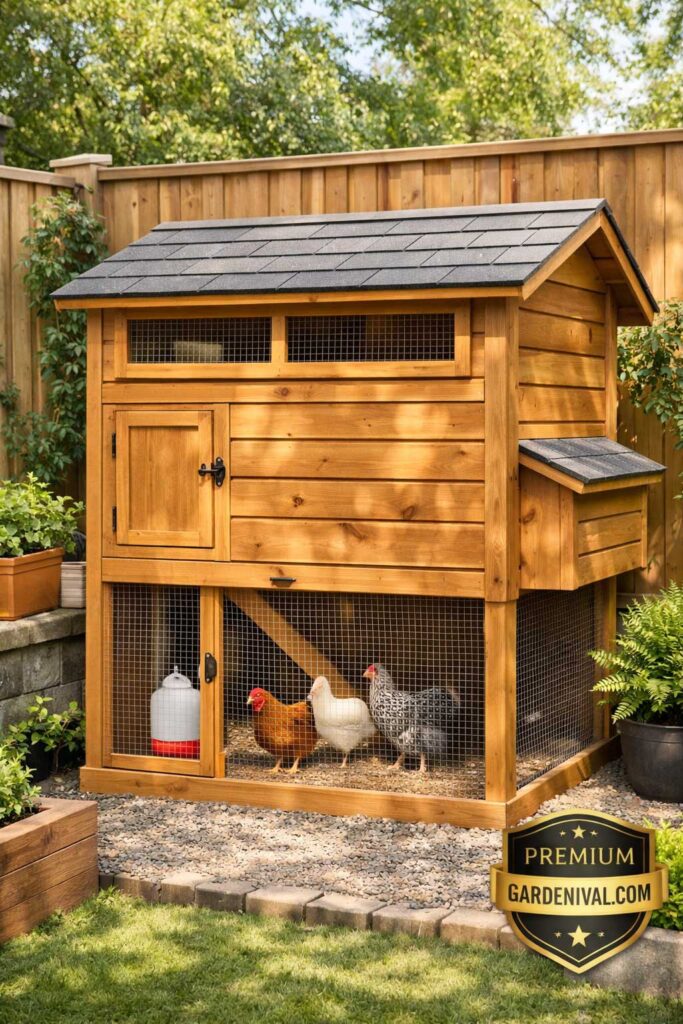
Compact Backyard Chicken Coop Design
Mistake 2 Overcrowding in Small Backyard Coops
A common beginner chicken keeping mistake is adding more birds than the coop can handle. Social stress increases fast when space is limited.
A healthy rule is:
- 4 square feet per bird inside the coop
- 8 to 10 square feet per bird in the run
Signs of overcrowding include:
- Aggression
- Feather pulling
- Reduced egg laying
Expanding vertical space with perches often helps when yard size is limited.
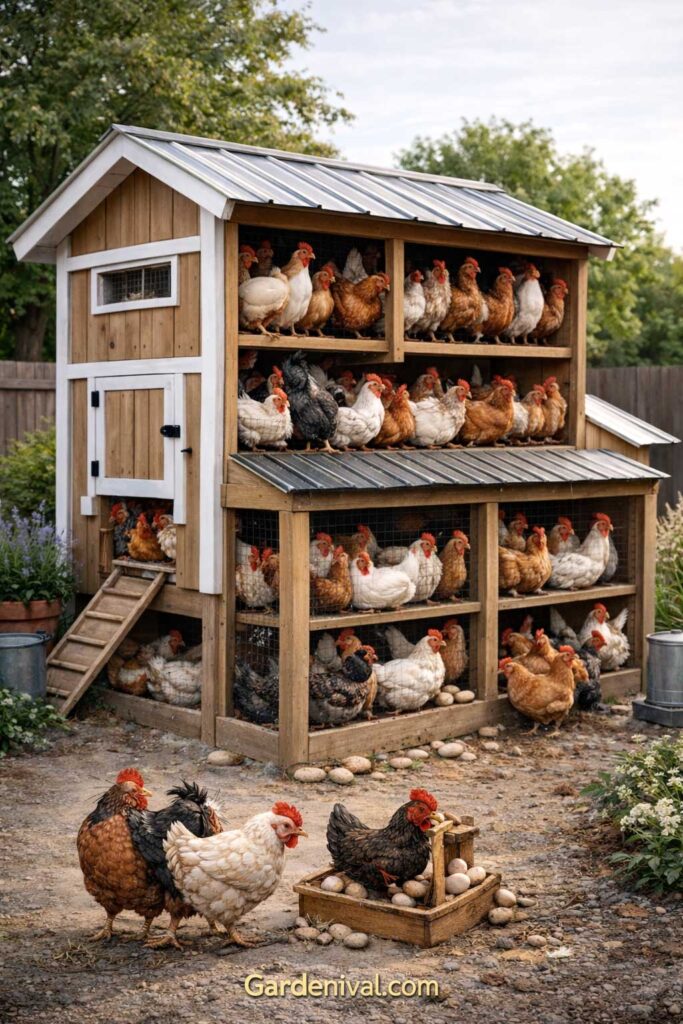
Overcrowded Backyard Chicken Coop
Mistake 3 Weak Predator Protection
Predators are not always obvious. Raccoons, rats, snakes, and even neighborhood dogs can enter through small gaps.
Common chicken coop design mistakes include:
- Using chicken wire instead of hardware cloth
- Leaving gaps near doors
- Skipping buried wire barriers
Easy Predator Proof Fixes
- Install automatic coop doors
- Use 1 by 2 inch hardware cloth
- Add buried wire apron around coop base
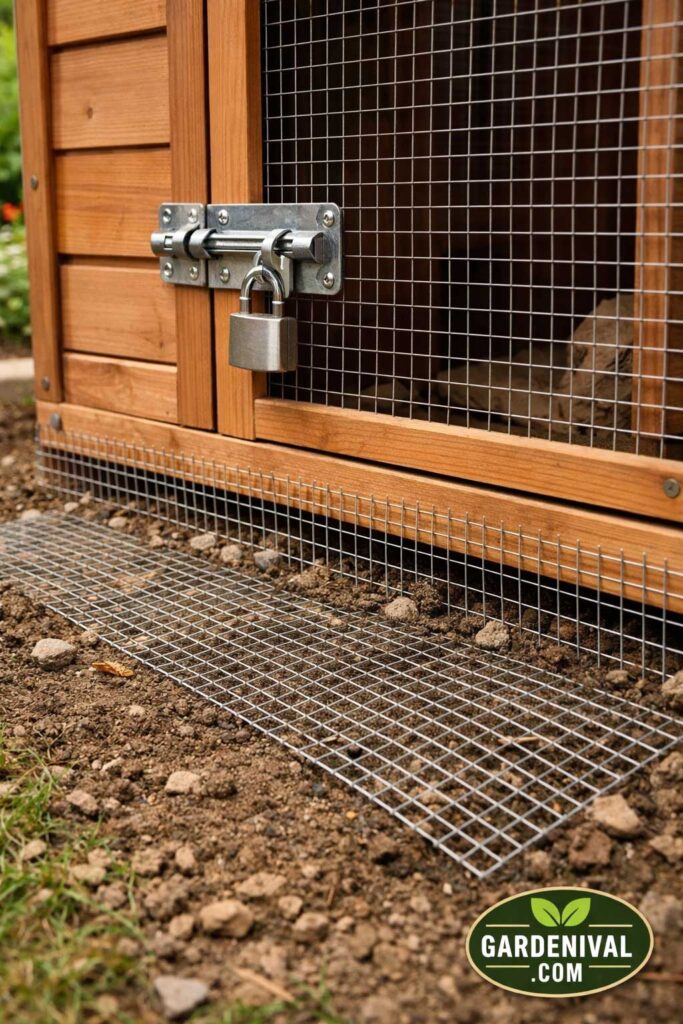
Predator Proof Chicken Coop Base
Mistake 4 Poor Coop Placement in the Yard
Where you place your coop matters more than many people realize. Too much shade causes damp conditions while full harsh sun creates overheating.
A balanced placement includes:
- Morning sunlight
- Afternoon shade
- Elevated ground for drainage
This small change often improves egg production and flock health quickly.

Balanced Chicken Coop Placement
Mistake 5 Choosing the Wrong Flooring
Many beginners use bare soil flooring which traps moisture and attracts pests. A better option is raised wood flooring or deep litter systems.
Flooring Comparison Table
| Flooring Type | Pros | Cons |
|---|---|---|
| Bare ground | Cheap | Damp and messy |
| Wood floor | Dry and clean | Needs maintenance |
| Deep litter | Natural composting | Requires management |
Keeping flooring dry is one of the easiest chicken coop safety tips you can follow.
Mistake 6 Ignoring Coop Cleaning and Maintenance
Small backyard coops need regular attention. Dust and droppings build up faster than expected.
Simple weekly habits include:
- Refresh bedding
- Check vents for blockages
- Clean feeders and waterers
A heavy duty metal feeder helps prevent rodents, which is a common coop setup mistake many beginners overlook.
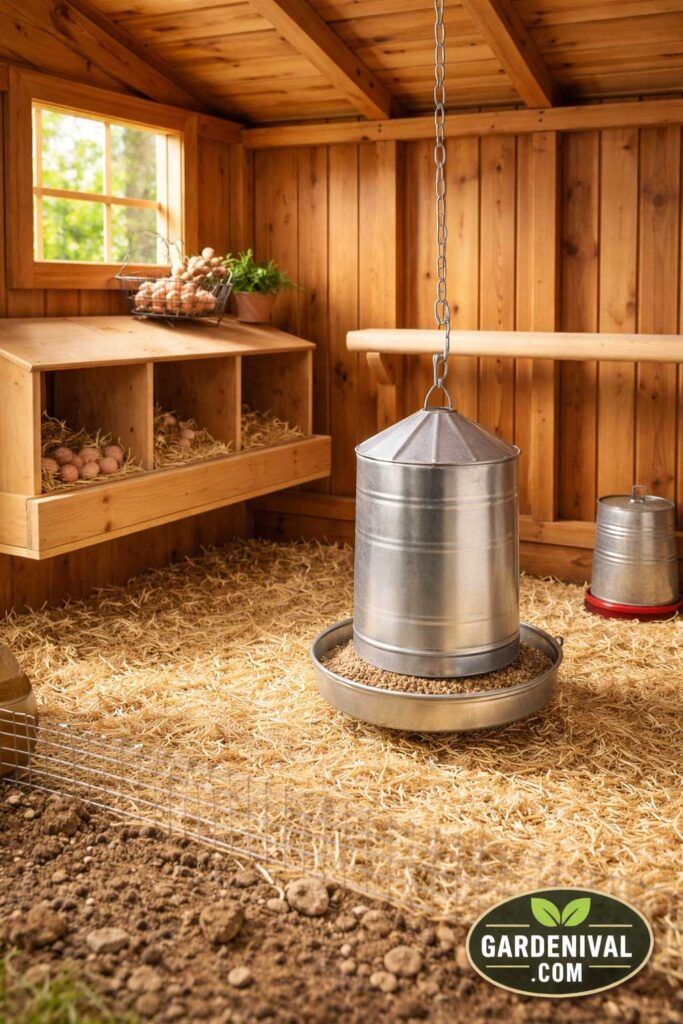
Clean Organized Chicken Coop Interior
Mistake 7 Poor Lighting That Reduces Egg Production
Chickens need consistent daylight exposure to maintain egg laying. A dark coop can confuse their natural rhythm.
You do not need bright artificial lights. Instead:
- Add windows facing east
- Use reflective light surfaces
- Keep nesting areas slightly darker than roosting zones
This balances comfort while improving productivity.
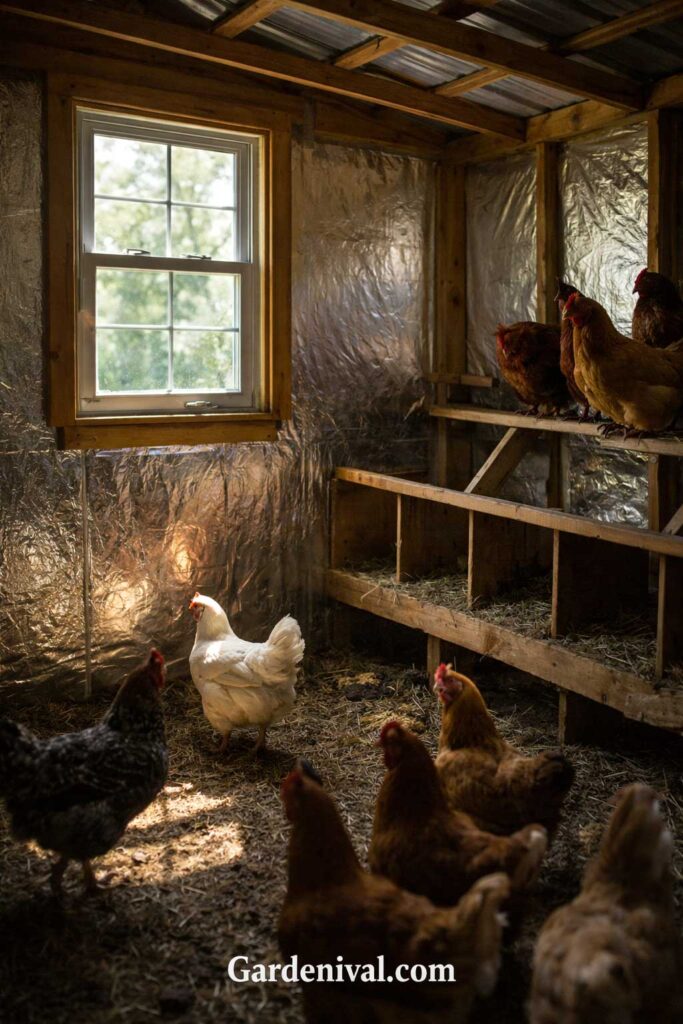
Natural Light for Healthy Egg Production
Mistake 8 Ignoring Temperature Control
Backyard coops in hot climates often overheat due to poor design. Many urban setups trap heat because they sit against fences or walls.
Ways to improve temperature control:
- Raise coop slightly off ground
- Use light colored roofing
- Increase airflow openings
Temperature control is a key part of avoiding poor ventilation chicken coop problems.
Mistake 9 Bad Feeder Placement That Attracts Rodents
Feeders placed directly on the ground create mess and attract pests. Rodents quickly become one of the biggest backyard chicken coop problems.
A raised feeder with anti waste design reduces:
- Moldy food
- Pest infestations
- Coop odors
Placing feeders away from sleeping areas keeps bedding cleaner too.
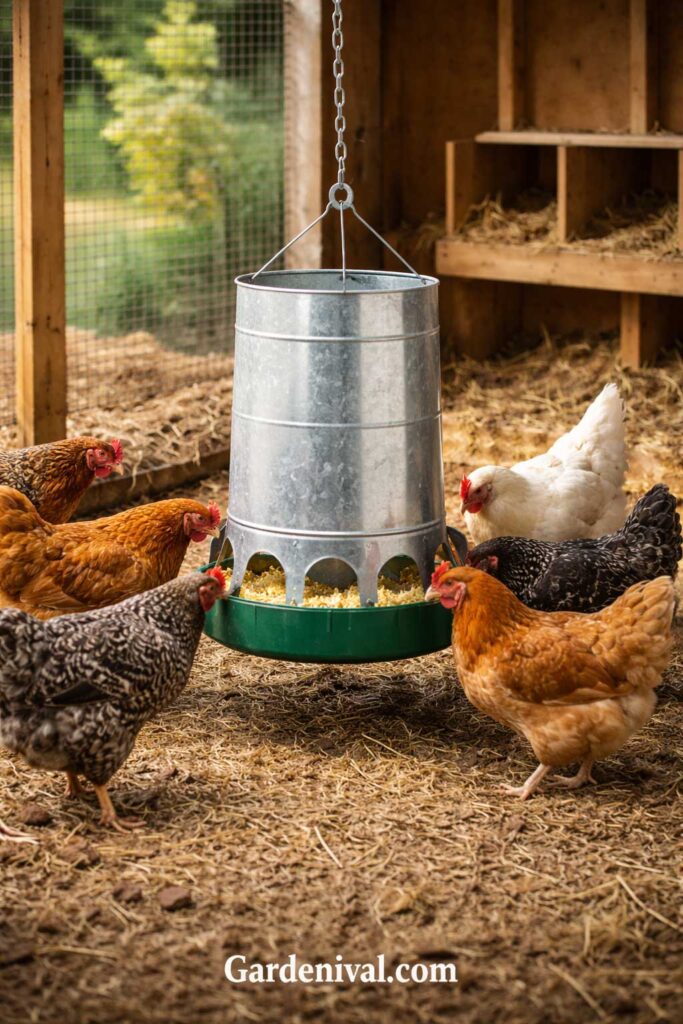
Raised Feeder Setup for a Cleaner Coop
Mistake 10 Overcomplicating Coop Design
Sometimes the biggest mistake is trying to build something too complex. Fancy designs look great online but may ignore real chicken behavior.
Chickens prefer:
- Safe roosting bars
- Dark nesting boxes
- Dry airflow
A simple functional coop often works better than a decorative one.
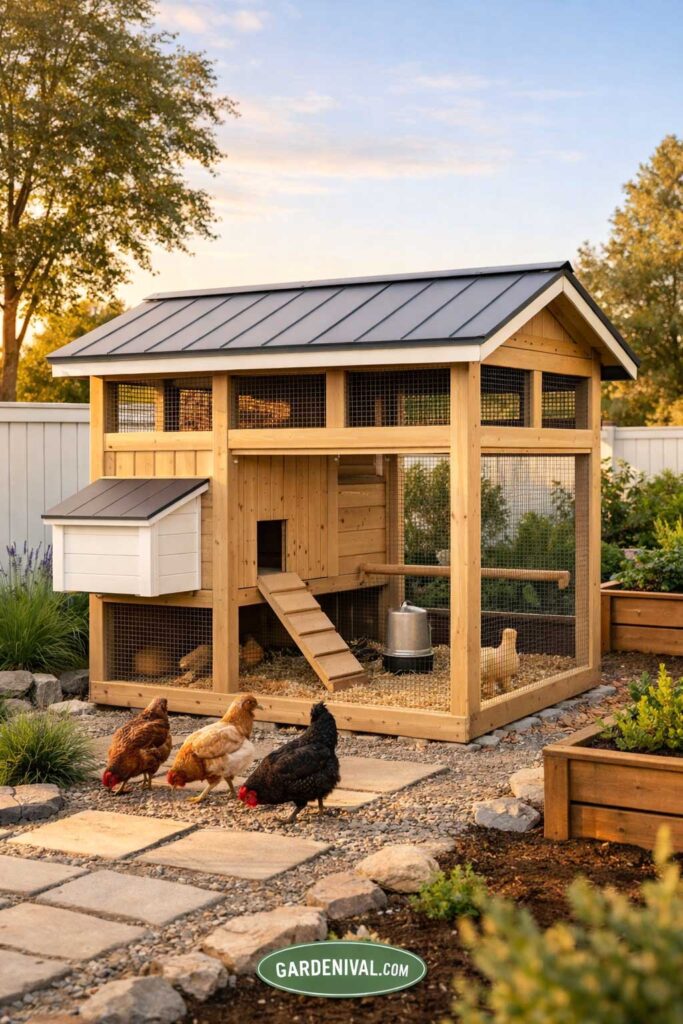
Modern Minimalist Backyard Chicken Coop
Recommended Products That Help Fix Common Chicken Coop Mistakes
1. Automatic Chicken Coop Door
Automatic doors reduce daily stress and improve safety. They close at sunset which prevents predator attacks if you forget to lock up.
Best for:
- Busy schedules
- Beginner chicken keepers
- Predator proof upgrades
2. Heavy Duty Metal Chicken Feeder
A sealed metal feeder keeps feed clean and reduces waste. This helps prevent rodents and maintains coop hygiene.
Best for:
- Clean coop management
- Long term backyard setups
- Beginner friendly upgrades
Frequently Asked Questions About Common Chicken Coop Mistakes
What are the most common chicken coop mistakes beginners make
Poor ventilation, overcrowding, and weak predator protection are the top problems beginners face.
How much ventilation does a chicken coop need
Enough airflow to remove moisture without creating strong drafts. High vents work best.
Why do chickens get sick in poorly designed coops
Moisture and ammonia build up when airflow is limited, which weakens immune systems.
How big should a coop be per chicken
At least 4 square feet inside and 8 to 10 square feet in the run.
What predator proofing mistakes cause losses
Using thin chicken wire instead of hardware cloth is a major mistake.
Is too little sunlight a problem
Yes. Lack of light reduces egg production and affects flock mood.
What flooring works best
Raised wooden floors or deep litter systems are popular choices.
Conclusion
Backyard chicken keeping does not have to feel overwhelming. Most problems come from a handful of common chicken coop mistakes that are easy to fix once you recognize them. Improving ventilation, adjusting layout, and focusing on predator protection can transform a struggling coop into a healthy space.
If you take away one lesson from this guide, let it be this. Chickens thrive in simple, well planned environments. You do not need an expensive setup to build a functional coop. You just need smart design choices that support airflow, cleanliness, and safety.
Start small, observe your flock, and make gradual improvements. With the right adjustments, even a tiny backyard coop can become a calm, productive space that works beautifully for both you and your chickens.