
 Posted by
 Introduction: Grow More Food Without Working Harder
Last updated: May 4, 2026, Updated with the latest vegetable gardening tips for better harvests
Let me guess. You planted tomatoes, peppers, maybe a few herbs, and now you keep checking your garden hoping things will suddenly take off. But instead of big, healthy harvests, your plants look average at best. Meanwhile, someone else’s garden seems to be overflowing with fresh vegetables.
The truth is, it’s not about working harder. It’s about using the right method.
You don’t need expensive tools, perfect soil, or years of experience to get great results. A few smart changes can completely transform how your garden performs. If you want a quick boost, you can also check simple ways to increase your garden yield to fix common issues fast.
In this guide, you’ll learn practical vegetable garden harvest tips that actually work in real conditions, whether you’re growing in a backyard, raised bed, or containers. These methods will help you grow bigger, healthier vegetables, improve your overall yield, and keep your plants strong without extra effort.
I’ve made these mistakes myself, including overwatering my tomatoes more than once, so you don’t have to. Let’s grow smarter and get better results from your garden.
How to Get a Bigger Vegetable Garden Harvest
The best way to improve your vegetable garden harvest is by focusing on healthy soil, proper watering, and smart planting techniques. When plants get the right nutrients, enough sunlight, and consistent care, they naturally produce more and better-quality vegetables without needing extra effort.
Quick Summary
Getting better results from your garden is not about doing more work, it is about doing the right things consistently. The most effective vegetable garden harvest tips focus on improving soil quality, watering deeply but not too often, and giving plants enough space and sunlight to grow properly.
Choosing high-yield varieties and using simple techniques like composting or companion planting can also make a noticeable difference. When you combine these small but important changes, your plants grow stronger, produce more, and stay healthier throughout the season without extra effort.
What Actually Makes a Vegetable Garden More Productive?
Before you start changing things in your garden, it helps to understand what really makes the difference between an average harvest and a highly productive one. Most gardeners focus on doing more, but the real results come from doing a few key things the right way.
A healthy vegetable garden depends on a balance of good soil, proper watering, enough sunlight, and smart planting decisions. When even one of these factors is off, it directly affects how much your plants can grow and produce.
Vegetable Garden Harvest Tips for Bigger, Healthier Yields
The tips below are simple, practical, and easy to follow. You don’t need to spend more time in your garden or use complicated methods. These small changes work together to improve plant health, boost growth, and help you get a noticeably better harvest from the same space.
Tip 1: Start with Healthy Soil, Not Just Dirt
Many gardeners struggle to get good results, even after putting in time and effort. One of the biggest reasons is poor soil. Without the right nutrients and structure, your plants simply can’t grow strong or produce a healthy harvest. This is one of the most overlooked vegetable garden harvest tips that can make a huge difference.
A common mistake is treating soil like it’s just dirt. People often plant directly into ground soil without improving it, or they use compact, heavy soil that restricts root growth. When roots can’t spread properly, plants stay weak and produce fewer vegetables.
The solution is simple but powerful. Focus on building rich, healthy soil before anything else. Add compost to improve nutrients, mix in aged manure for better fertility, and keep the soil loose so roots can grow easily. If you’re just starting out, choosing easy vegetables to grow fast can also help you see quicker success. Even in raised beds or containers, always enrich your soil instead of using it as-is. Healthy soil leads to stronger plants and a much better harvest.
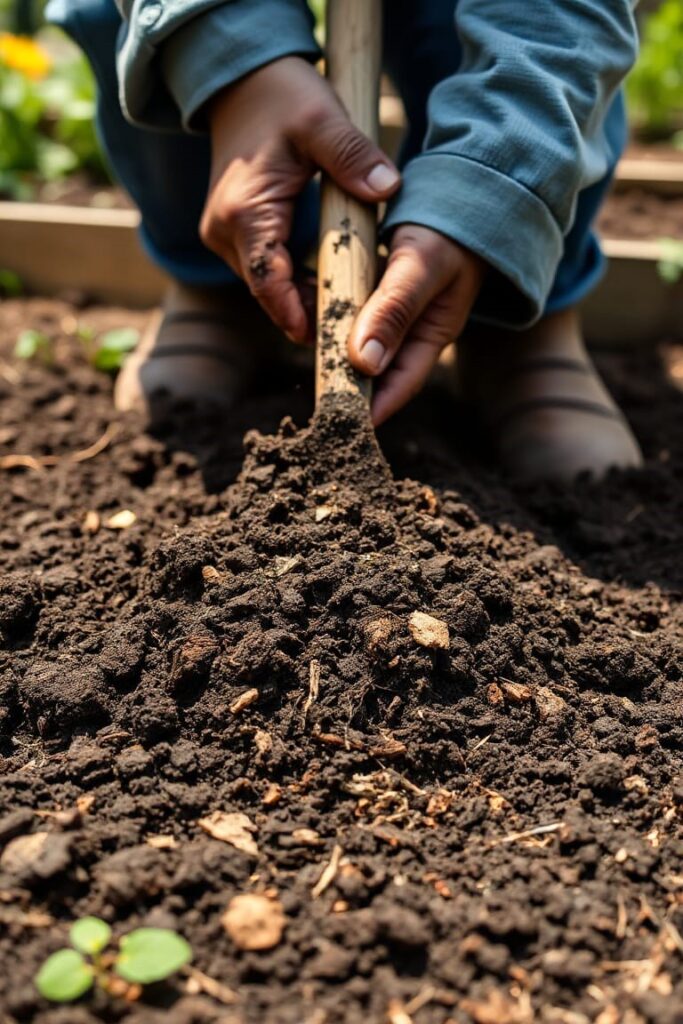
Rich Garden Soil Mixed with Compost
Tip 2: Give Plants Enough Space to Grow
If your plants look healthy at first but stop growing properly or produce very small vegetables, spacing is usually the issue. When plants are too close together, they compete for everything they need to survive, including water, sunlight, and nutrients.
A common mistake is planting too much in a small space, especially when the garden is new. It feels like you’re maximizing space, but overcrowding actually does the opposite. Plants become weaker, airflow gets blocked, and the chances of disease increase.
The solution is to give each plant enough room to grow the way it’s supposed to. For example, tomatoes need around 18 to 24 inches of space, peppers do well with about 12 to 18 inches, and smaller crops like lettuce or carrots still need a few inches to develop properly. It might look like empty space in the beginning, but as plants mature, that spacing becomes essential for a healthy and productive garden.
If you want to improve plant performance even further, using companion planting ideas can help you use space more efficiently while naturally supporting plant growth. This is one of those vegetable garden harvest tips that often gets ignored but makes a noticeable difference over time.
3. Water Deep, Not Every Day
Watering seems simple, but it’s one of the biggest reasons gardens fail to produce well. Many beginners water a little every day, thinking it helps plants stay hydrated. The real problem is that this keeps roots shallow, which makes plants weaker and more dependent on constant watering.
The better approach is to water deeply and less often. Deep watering encourages roots to grow further into the soil, making plants stronger and more resilient, especially during hot weather. This is one of the most effective vegetable garden harvest tips for improving plant health and long-term growth.
In most cases, garden beds do well with watering two to three times per week, while containers may need water daily or every other day depending on the heat. The key is to focus on the soil, not the leaves, so moisture reaches the roots where it’s actually needed.
If you’re gardening in a controlled setup, using simple greenhouse setups can also help manage moisture levels more effectively and protect plants from extreme conditions.
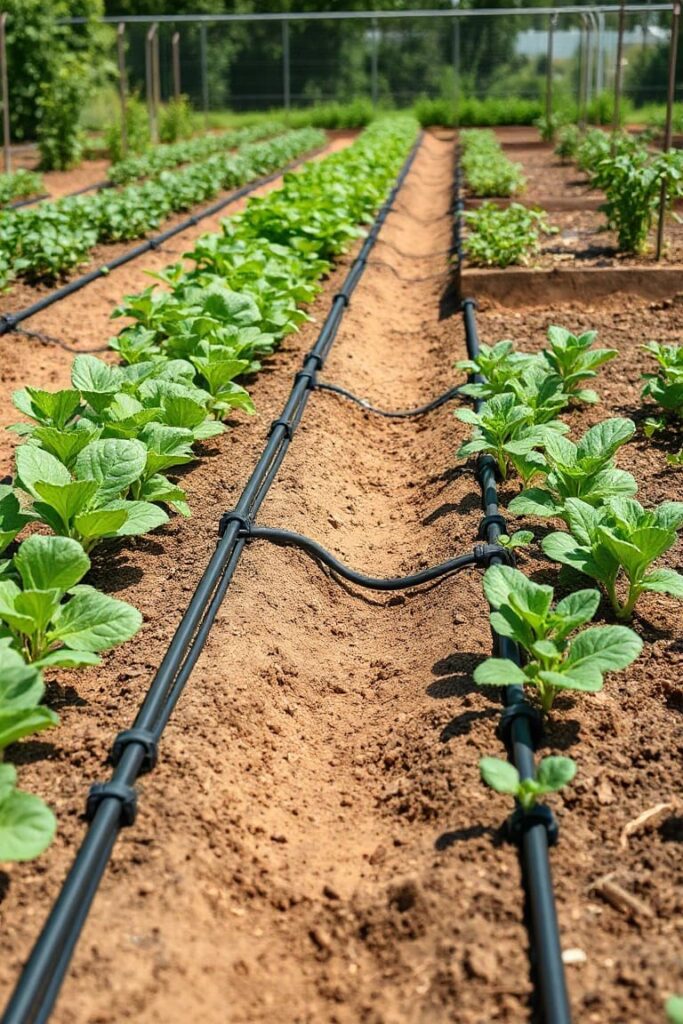
Drip Irrigation System for Vegetable Gardens
4. Sunlight Is Free Fertilizer
If your plants are growing but not producing much, sunlight is usually the missing piece. Vegetables rely on direct sunlight to produce energy, and without enough of it, growth slows down and harvests stay small.
A lot of gardeners don’t realize this and blame soil or watering instead. But the signs are easy to spot. Plants become tall and thin, leaves stretch toward light, and flowering stays limited. That’s a clear signal your garden isn’t getting enough sun.
Most vegetables need more light than you think. Leafy greens can manage with around 4 to 6 hours, but fruiting plants like tomatoes and peppers need at least 6 to 8 hours of direct sunlight daily. If your setup allows it, try moving containers to a brighter spot, trimming nearby branches that block light, or even using reflective surfaces like walls or fencing to bounce more light onto your plants. Small changes like these can significantly improve your results.
5. Feed Plants at the Right Time
Healthy soil is important, but plants still need extra nutrients at the right stages to produce a strong harvest. Feeding at the wrong time or using the wrong type of fertilizer is a common reason plants grow leaves but don’t produce enough vegetables.
Many people either forget to fertilize or overdo it, especially with nitrogen-heavy products. This leads to lush green plants with very little fruit. Timing matters more than quantity.
The best approach is to treat feeding like a schedule instead of a one-time fix. During flowering and fruiting stages, plants need more support. A simple routine like using a liquid fertilizer every couple of weeks and a slow-release option once a month works well for most gardens. Organic options such as compost tea, fish emulsion, or worm castings are great for steady, natural growth. If you prefer something ready to use, an Organic All-Purpose Plant Food can also provide balanced nutrients without overcomplicating things. This is one of those vegetable garden harvest tips that directly impacts how much your plants produce.
6. Use Companion Planting to Boost Growth Naturally
Not all plants compete with each other. Some actually grow better when planted together. This is known as companion planting, and it’s a simple way to improve plant health without adding extra work.
A common mistake is planting vegetables randomly without thinking about how they interact. This often leads to more pests, weaker growth, and inefficient use of space.
Instead, pair plants that support each other. For example, tomatoes grow well with basil or marigolds, carrots benefit from onions nearby, and cucumbers do well with nasturtiums. These combinations can help reduce pests, improve growth, and make your garden more productive overall.
When done right, companion planting not only boosts your harvest but also creates a healthier, more balanced garden environment.
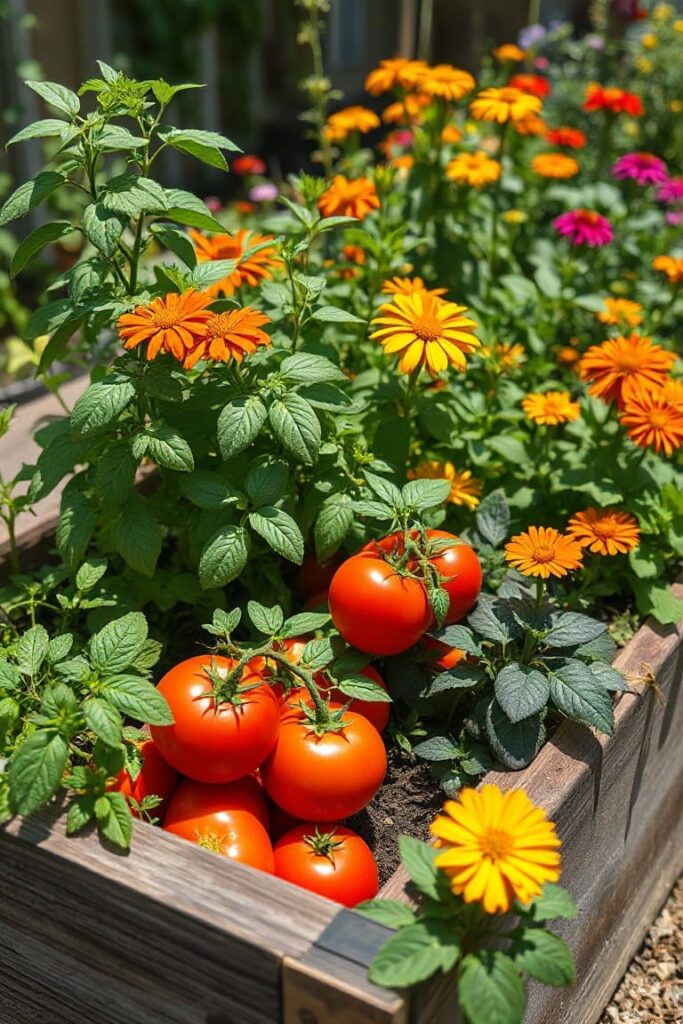
Companion Planting with Vegetables and Flowers
7. Prevent Pests Before They Become a Problem
Most gardeners react to pests after they show up, but by then, the damage is already done. Chewed leaves, weak plants, and slow growth are usually signs that insects have already taken over.
The smarter approach is to stay ahead of the problem. A quick check every few days can save your entire garden. Look closely under the leaves, around stems, and near new growth where pests usually hide. Catching them early makes control much easier.
Instead of jumping straight to harsh chemicals, simple natural methods work surprisingly well. Neem oil sprays, mild soapy water, or even introducing beneficial insects can keep pest populations under control. Also, don’t ignore damaged leaves. Removing them early prevents disease from spreading to healthy parts of the plant.
Small habits like this may seem minor, but they are powerful vegetable garden harvest tips that help protect your plants and keep your garden productive.
8. Harvest Regularly for Continuous Growth
Here’s something that surprises a lot of people. The more you harvest, the more your plants produce. It sounds counterintuitive, but it actually encourages plants to keep growing and producing new vegetables.
When produce sits too long on the plant, it signals that the job is done. Growth slows down, and new production decreases. This is why many gardens stop producing even when plants still look healthy.
The key is to harvest consistently. Crops like beans, zucchini, lettuce, and herbs respond especially well to regular picking. The more you take, the more they give back.
Timing also matters. Early morning is the best time to harvest because plants are hydrated, firm, and at their freshest. This not only improves quality but also helps plants recover faster and continue producing.
Following simple habits like this can make a big difference, and it’s one of those vegetable garden harvest tips that directly increases how much food you get from your garden.
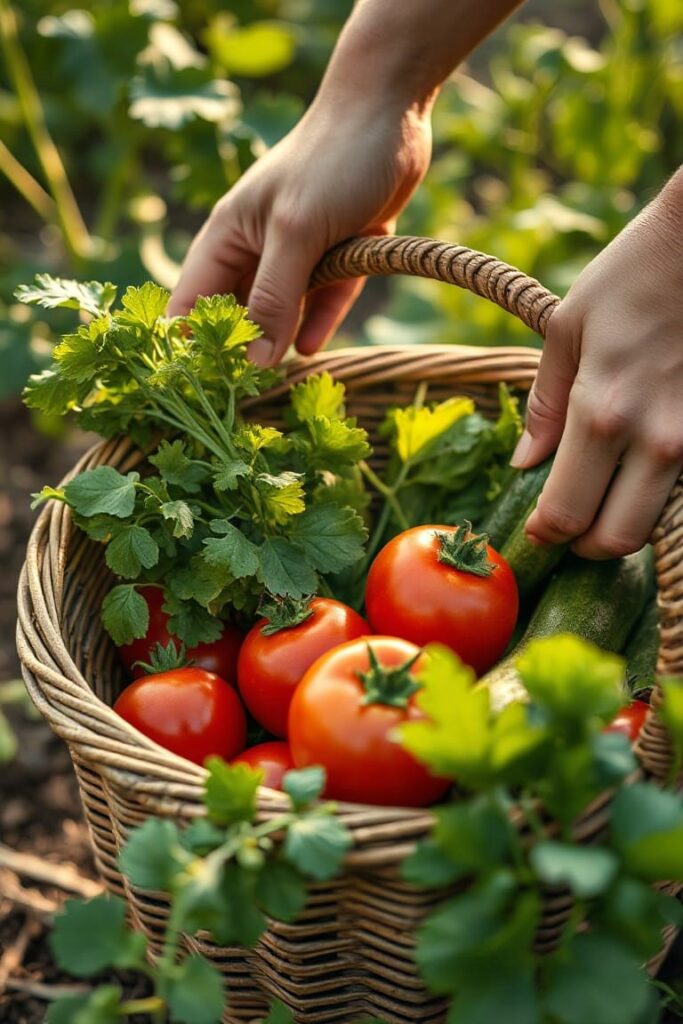
Harvesting Fresh Vegetables from a Home Garden
9. Mulch to Lock in Moisture and Protect Your Soil
If you feel like you’re watering often but your soil still dries out quickly, mulch is probably what’s missing. It acts like a protective layer that keeps your soil stable and helps your plants grow in better conditions.
A lot of gardeners skip mulching, thinking it’s optional, but that usually leads to more weeds, faster moisture loss, and stressed plants. Without protection, soil heats up too quickly and dries out faster than it should.
Adding a layer of mulch around your plants can completely change how your garden performs. Materials like straw, wood chips, or even shredded leaves work well. Spread a couple of inches around the base of your plants, but leave a small gap around the stem to avoid rot. Over time, mulch also breaks down and improves soil quality, which makes it one of the most effective vegetable garden harvest tips for long-term results.
10. Protect Your Plants from Heat Stress
Hot weather can quietly reduce your harvest if you’re not paying attention. When temperatures get too high, plants focus on survival instead of growth, which means fewer vegetables and lower quality produce.
You’ll usually notice the signs quickly. Leaves start drooping even when the soil is moist, flowers fall off before turning into fruit, and some vegetables develop a bitter taste. This is a common issue during peak summer, especially in open gardens.
The good news is that small adjustments can make a big difference. Watering early in the morning helps plants stay hydrated throughout the day. Adding a thicker layer of mulch keeps roots cooler, and even a bit of afternoon shade can reduce stress significantly. If you’re dealing with intense heat regularly, setting up a light shade cover can protect your plants and keep them productive.
11. Rotate Crops to Keep Your Soil Productive
Planting the same crops in the same spot year after year might seem convenient, but it slowly reduces your garden’s productivity. Over time, specific nutrients get depleted, and pests that target those plants start to build up in the soil.
This is why crop rotation is so important. It helps reset the balance in your garden and prevents long-term problems that are hard to fix later.
For example, after growing heavy feeders like tomatoes or peppers, switching to beans or peas can help restore nitrogen in the soil. Leafy greens can be followed by root vegetables, and crops like cucumbers or squash can be rotated with herbs or onions. These simple changes break pest cycles, improve soil health, and keep your garden producing consistently.
Even if you’re working with a small space or raised beds, rotating crops in sections can make a noticeable difference. It’s one of those vegetable garden harvest tips that doesn’t require extra effort but delivers long-term benefits.
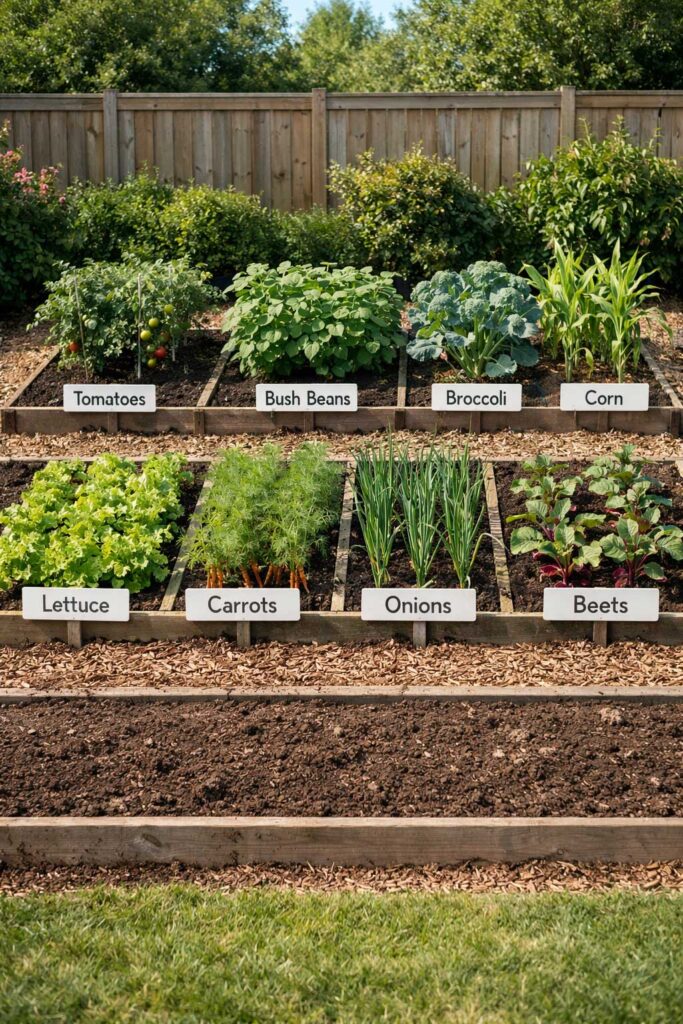
Organized Vegetable Garden with Labeled Sections
12. Grow Vertically to Get More from Limited Space
If your garden feels small or crowded, the easiest way to increase your harvest is to start thinking vertically. Instead of spreading plants across the ground, you train them to grow upward, which instantly creates more growing space without expanding your garden.
Many gardeners ignore this and end up running out of room too quickly. Plants get cramped, airflow drops, and harvesting becomes harder than it should be. This is especially common in small backyards or container setups.
Vertical gardening solves all of that in a simple way. By using supports like trellises, netting, or even fence panels, you allow plants to climb naturally. This improves air circulation, keeps fruits cleaner, and makes it much easier to spot and harvest vegetables at the right time.
Crops like cucumbers, pole beans, peas, cherry tomatoes, and even small melons respond really well to vertical growing. Once they start climbing, you’ll notice healthier plants and better production without needing extra ground space.
If you’re looking for practical vegetable garden harvest tips that deliver quick results, this is one of the most effective methods you can start using right away.
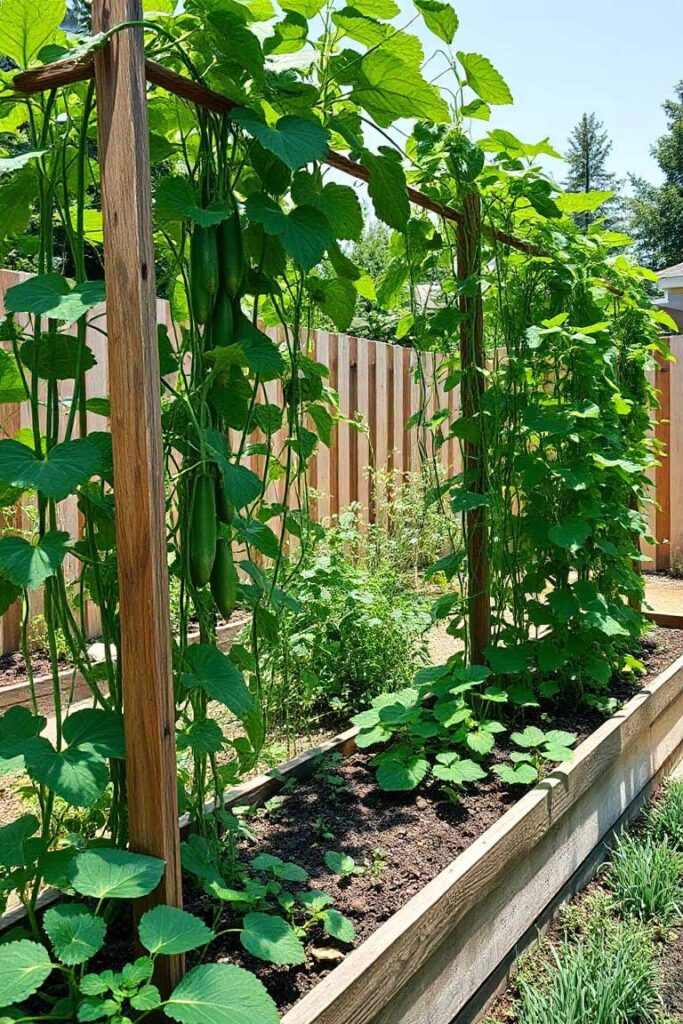
Raised Bed Garden with Trellis for Climbing Vegetables
Common Mistakes That Reduce Your Harvest
Even with the right effort, a few small mistakes can quietly reduce your harvest. The good news is, once you fix these, your garden can improve faster than you expect.
One of the biggest issues is overwatering. It might feel like you’re helping your plants, but too much water leads to root rot and weak growth. Plants need moisture, not constantly wet soil.
Another common problem is overcrowding. When plants are too close together, they compete for sunlight, nutrients, and airflow. This usually results in smaller vegetables and a higher chance of disease spreading.
Ignoring soil health is another mistake that slows everything down. Over time, soil loses nutrients, and without replenishing it, plants simply don’t have what they need to grow properly.
Harvesting too late can also reduce production. When vegetables stay on the plant for too long, it signals the plant to stop producing new ones.
Fixing just these few things can noticeably improve your results and make your vegetable garden harvest tips actually work in real conditions.
FAQ: Vegetable Garden Tips
How often should I water vegetable plants?
Most garden beds do well with deep watering two to three times per week. Containers may need more frequent watering, especially in hot weather.
What is the best time to water plants?
Early morning is ideal. It reduces evaporation and gives plants enough moisture to handle the heat of the day.
Do raised beds need more water?
Yes, they tend to drain faster than ground soil, so it’s important to check moisture levels more often.
Can I grow vegetables in containers?
Absolutely. Many vegetables like tomatoes, peppers, lettuce, and herbs grow very well in containers with proper care.
Why are my plants flowering but not producing fruit?
This usually happens due to heat stress, poor pollination, or too much nitrogen in the soil.
Conclusion: Grow More with Less Stress
Growing your own vegetables doesn’t have to be complicated. Once you focus on the basics like healthy soil, proper watering, and smart spacing, everything starts to fall into place.
You don’t need expensive tools or a large space. What really makes the difference is consistency and using the right methods at the right time.
If you apply even a few of these vegetable garden harvest tips, you’ll start noticing stronger plants, better growth, and more food coming from the same space.
For more simple and practical gardening ideas, you can always explore Gardenival and keep improving your garden step by step.
Start small, stay consistent, and enjoy the process. Your garden will reward you for it.